Image: Insitu
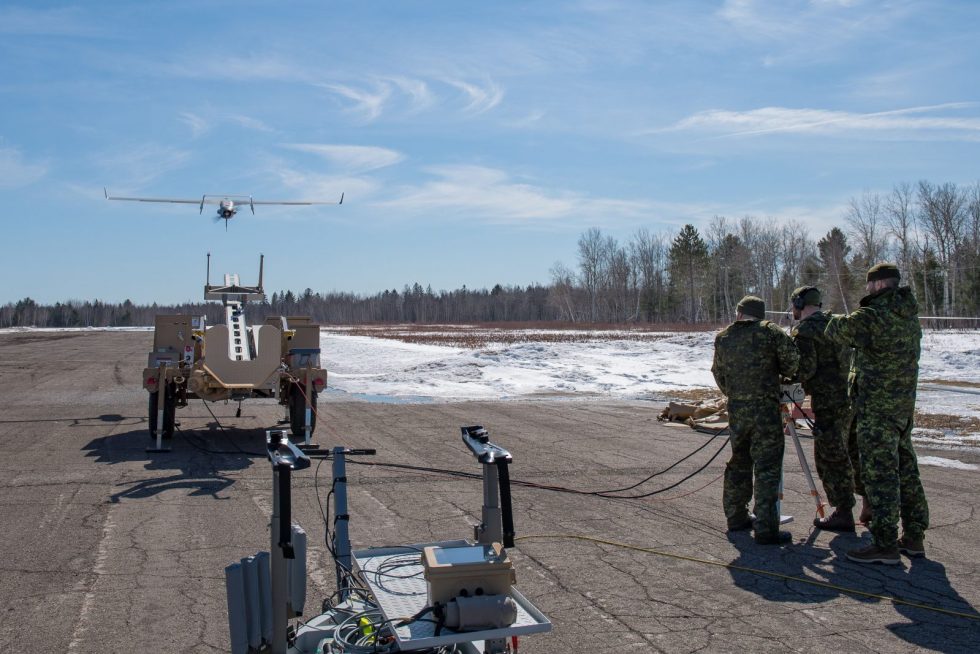
Canada’s Department of National Defence has awarded Boeing subsidiary Insitu an $8.6 million contract to support the Canadian Armed Forces’ fleet of long-endurance CU-172 Uncrewed Aerial Systems.
The firm fixed-price deal, announced by Insitu on March 31, covers programme management and airworthiness services. It also carries additional budget for spares, repairs, and authorised future work — including the integration of advanced resilience features from Insitu’s current Integrator UAS platform.
What Is the CU-172?
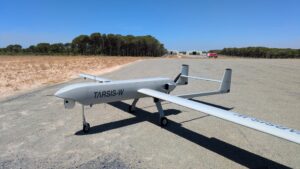
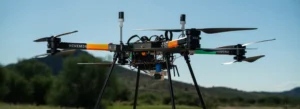
The CU-172 is Canada’s designation for the RQ-21A Blackjack, originally a US Department of Defense Programme of Record. It is now commercially available as the Integrator UAS, offering improved endurance, range, and capability over its earlier variants.
The platform delivers up to 27.5 hours of endurance and carries 50lb of payload across ten modular bays. That performance allows operators to conduct multi-intelligence missions across vast distances — capability traditionally associated with far larger and more expensive assets.
Paired with Insitu’s Common Ground Control System and INEXA Control software, the CU-172 can operate in contested electronic environments, including GPS-denied airspace. That makes it directly relevant to modern high-threat theatres where electronic warfare has become a defining feature of operations.
Strategic Context
The contract arrives as NATO allies accelerate investment in persistent surveillance and targeting capability. Canada has pressed ahead with efforts to strengthen its ISR architecture amid mounting security pressures in Eastern Europe and the High Arctic.
Insitu CEO Diane Rose said the award reflected enduring customer confidence in the platform. The CU-172, she said, delivers endurance, range, and payload capacity for deep ISR and targeting roles — missions normally reserved for larger, costlier systems.
Rose added that Insitu intends to help Canada extract further value from the programme going forward. “We’re excited to continue to support our Canadian allies as they enhance capabilities to evolve their fleet,” she said.
Insitu’s Operational Pedigree
The Boeing-owned developer has logged more than 1.6 million operational hours across its Integrator and ScanEagle fleets. Its systems have served the armed forces of 35 nations in some of the world’s most demanding environments, including GPS-denied airspace.
Core capabilities span alternative navigation, resilient datalinks, satellite communications beyond line of sight, AI-assisted wide-area search, and expeditionary vertical take-off and landing. Insitu has manufactured and fielded more than 3,500 UAS globally, with offices in the US, Australia, the UK, and the UAE.
What the Contract Means for Canada
The award secures continued operational readiness for the CU-172 fleet while opening a structured pathway to capability upgrades — without requiring a full platform replacement. Provisions covering advanced resilience features and updated hardware point to Canadian intent to extend the aircraft’s service life as part of a broader UAS modernisation effort.
As contested environments increasingly define modern conflict, long-endurance multi-intelligence platforms are expected to take on expanded roles within allied force structures. For Canada, the CU-172 looks set to remain a frontline ISR asset for the foreseeable future.
You can read more about Insitu and the Integrator UAS on the Insitu website.