Image: U.K. MoD © Crown copyright 2026
Britain has rushed fresh air defence systems to three Gulf states and extended its Typhoon fighter presence, as Iran’s relentless missile and drone campaign against regional partners shows no sign of slowing.
Defence Secretary John Healey flew to Saudi Arabia, Qatar, and Bahrain this week for talks with senior Gulf leaders on regional security, the widening conflict, and Iran’s mounting threat to the Strait of Hormuz.
Sky Sabre Deploys to Saudi Arabia
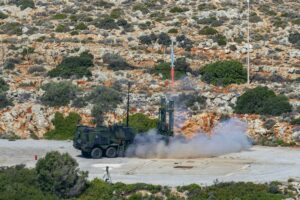
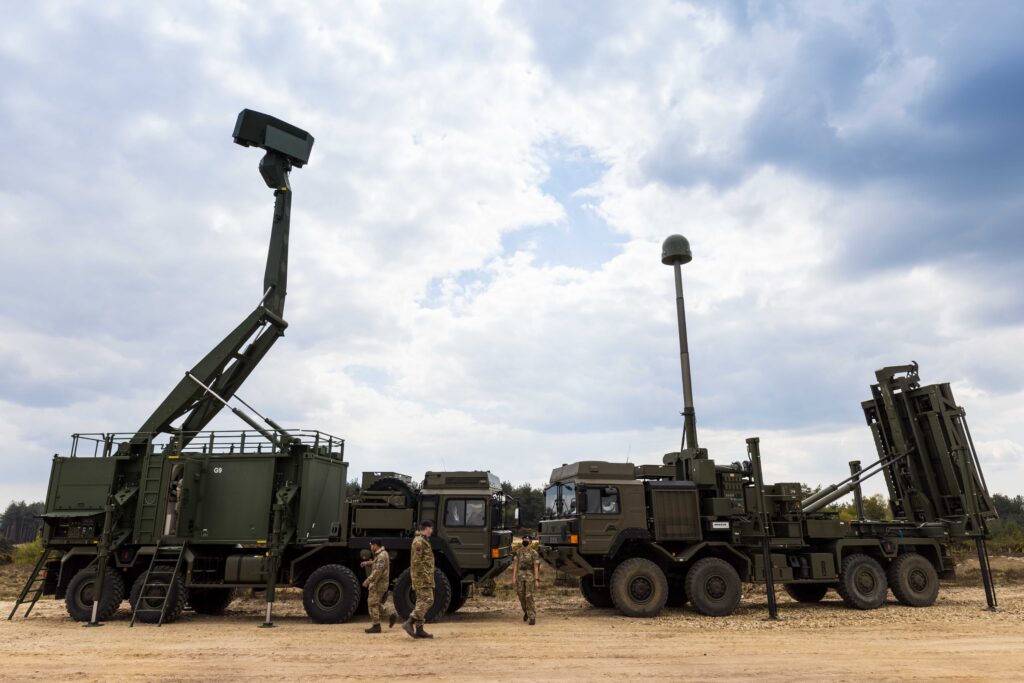
The headline commitment is Sky Sabre, the British Army’s cutting-edge ground-based air defence system, heading to the Kingdom of Saudi Arabia. Healey confirmed the decision face-to-face with Saudi Defence Minister Prince Khalid bin Salman Al Saud.
A UK reconnaissance team has already completed its on-the-ground survey. Hardware moves this week: radars, a control node, missile launchers, a Royal Artillery battery, and battlespace managers. The system slots into the wider Saudi and regional air defence architecture.
Typhoons Stay in Qatar, New Capabilities Land in Bahrain and Kuwait
The UK’s Typhoon deployment to Qatar’s Dukhan air base is extended. Healey met pilots there flying day-and-night defensive missions over Qatar, Bahrain, Jordan, and the UAE. The joint UK-Qatar Typhoon Squadron has been airborne since the conflict’s opening hours.
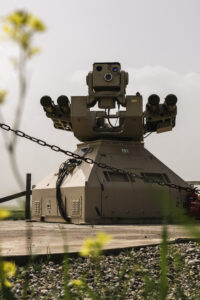
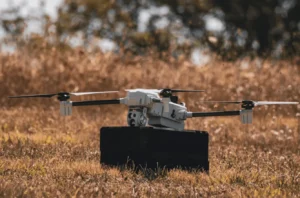
Bahrain now has the UK’s Lightweight Multirole Missile launcher on the ground, backed by British specialists weaving it into Bahraini air defences. Kuwait has taken delivery of the Rapid Sentry ground-based missile system alongside the RAF’s ORCUS drone-detection platform.
British crews flying Typhoon, F-35, Wildcat, and Merlin helicopters have now clocked more than 1,280 hours defending UK nationals, British bases, and regional partners, according to the Ministry of Defence.
The Backdrop: 3,500 Strikes and Counting
Iran has launched more than 3,500 missiles and drones at civilian infrastructure, military sites, and critical national assets across the Gulf since hostilities began last month. The campaign is relentless and broad, hammering multiple states simultaneously and piling pressure on Gulf air defences.
Britain’s posture is defensive. London has drawn a clear line against being pulled into offensive operations, while authorising the United States to use British bases for specific, limited strikes, including missions degrading Iranian missile sites threatening shipping in the Strait of Hormuz.
Industry Gears Up
The deployments are backed by a wider British push to accelerate Gulf procurement. Additional Lightweight Multirole Missiles have been purchased for UK forces and regional allies. Taskforce Sabre, a joint government-industry body, is driving rapid procurement of the systems and munitions Gulf states need right now.
Healey Speaks
The Defence Secretary was direct. Iran’s attacks, he said, continue to threaten British allies and interests, and Britain is responding. He pointed to extended Typhoons in Qatar and new systems landing in Saudi Arabia, Bahrain, and Kuwait as proof of that commitment.
Addressing Gulf partners directly, he said: “Britain’s best will help you defend your skies.” He paid tribute to regional forces operating under sustained attack to protect both their own citizens and foreign nationals, including British ones, across the Gulf.
The scale and speed of this week’s announcements mark a step-change in Britain’s forward military footprint in the Gulf, as the conflict enters its second month with diplomacy yet to gain any visible traction.
Source: U.K. MoD Press Release