Image: Royal Air Force
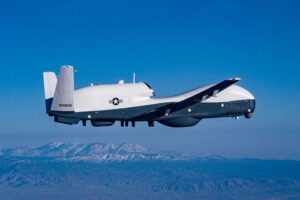
The Royal Air Force has completed its first knowledge-sharing event for the Protector remotely piloted aircraft, strengthening allied readiness to field the system across NATO.
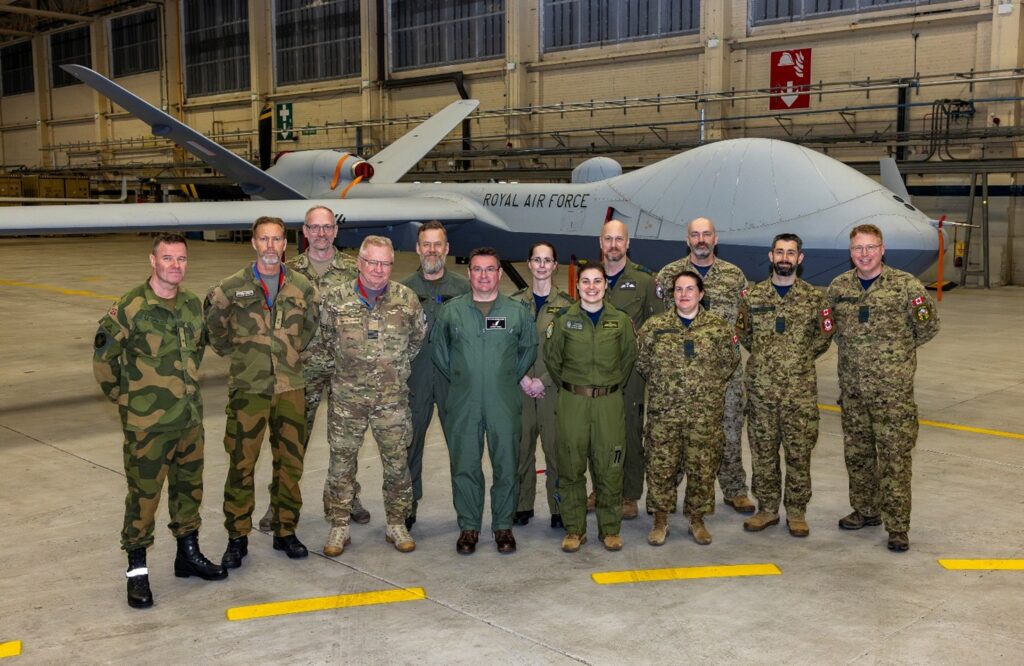
Twelve military personnel from Canada, Denmark, and Norway attended the two-week event at RAF Waddington from 16 to 27 March 2026. Delegates received direct insight into RAF Protector operations, covering aircrew and engineer training, weapons systems, intelligence support, and cyber operations, according to the UK Ministry of Defence.
Hard-won experience on offer
Britain drew on its own journey bringing Protector into service, a process that culminated in the platform’s first operational deployment over the Middle East in November 2025. That frontline experience gave the RAF credibility as a lead partner, offering allies practical lessons rather than theoretical guidance.
The event sits within the MQ-9 International Co-operation Support Partnership, a framework designed to help allied nations plan and procure Protector more effectively. By sharing lessons learned early, the UK aims to help partners avoid duplication of effort, reduce procurement risk, and build NATO’s collective drone capability faster.
Why it matters
The Protector RG Mk 1, the British variant of General Atomics’ MQ-9B SkyGuardian, represents a significant step up in persistent surveillance and strike capability for NATO air forces. As more alliance members move toward adopting the system, coordinated knowledge transfer reduces the risk of each nation repeating the same costly integration challenges.
For the UK, the initiative also carries strategic weight. Hosting allied personnel at Waddington signals Britain’s intent to lead on emerging air power, not just participate. The RAF will continue to host further Short Look events as additional countries progress toward Protector adoption.
The effort reflects a broader commitment by the UK Government to NATO as the cornerstone of national security, a priority embedded within its Plan for Change policy framework, which sets out how international partnerships protect both domestic and overseas interests.
Looking ahead
With NATO allies accelerating investment in remotely piloted systems, the timing of Britain’s knowledge-sharing push is deliberate. Interoperability among Protector operators will become increasingly valuable as the alliance develops joint concepts for drone employment, from intelligence gathering to precision strike in contested environments.
The RAF’s willingness to open its operational experience to partners positions Britain as a key node in NATO’s emerging drone network, signalling that London sees shared capability, not national exclusivity, as the path to collective deterrence.
Source: Royal Air Force