Image: UK MOD © Crown copyright 2026
UK start-up Cambridge Aerospace successfully trialled its Skyhammer interceptor system in demanding desert conditions, marking a significant step forward in Britain’s counter-drone capabilities.
Britain has successfully tested a new interceptor missile system designed to shoot down attack drones, with trials conducted in Jordan as the UK’s Defence Minister completed a regional security tour of Kuwait and Jordan.
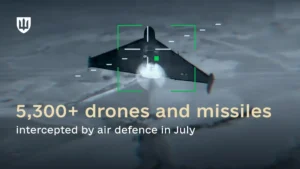
Cambridge Aerospace, a veteran-led British start-up, put on a live trial of its Skyhammer interceptor missiles and launchers at one of Deep Element’s defence development facilities in Jordan. The system targets Shahed-style attack drones, the low-cost Iranian-designed weapons used extensively across multiple recent conflicts.
A Fast-Tracked Capability
The trial followed a multi-million-pound contract signed less than two weeks prior between the Ministry of Defence and Cambridge Aerospace. Skyhammer carries a 30km range and reaches speeds of up to 700km/h. The first tranche of missiles and launchers will deliver to UK Armed Forces in May, with further supplies expected within six months of the agreement.
Minister for Defence Readiness and Industry Luke Pollard MP witnessed the trial firsthand. According to the UK Ministry of Defence, he said the system demonstrated how the UK defence industry can deliver at pace, learning lessons from the conflicts in Ukraine and the Middle East.
The contract supports more than 175 jobs, 50 newly created, positioning defence as what Pollard described as an engine for growth.
Regional Context
The trial coincided with Pollard’s diplomatic visits to Kuwait City and Amman. In Kuwait, he met Defence Minister HE Sheikh Abdullah Ali Abdullah Al-Salem Al-Sabah, acknowledging Kuwaiti and British forces for protecting civilians and critical infrastructure during Iran’s prior drone and missile campaign. UK personnel currently operate the Rapid Sentry ground-based air defence system and the ORCUS detection platform in Kuwait.
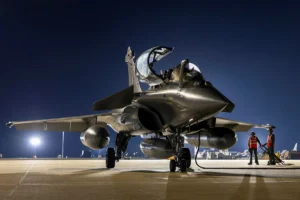
In Jordan, Pollard met Chairman of the Joint Chiefs of Staff Major General Yousef Alhnaity. The two discussed bilateral defence ties and shared regional security priorities. Before the current ceasefire took hold, UK jets flew defensive missions over Jordan to protect British nationals and partner nations.
Industry and Export Ambitions
Beyond equipping UK forces, the Ministry of Defence is actively working to accelerate exports of the system to Gulf partners. The National Armaments Director (NAD) Group has established a dedicated Task Force to coordinate financing and licensing across government, support regional partners working with British industry, and manage conflict-related pressures on the UK defence supply chain.
Cambridge Aerospace CEO Steven Barrett said the trials proved Skyhammer is not only cost-effective but also highly capable. He welcomed MoD backing as the company targets wider deployment of what it describes as a high-performance, rapidly deployable air defence solution.
Broader Defence Investment
The Skyhammer programme sits within Britain’s broader defence spending trajectory. The UK government has committed to raising defence expenditure to 2.6% of GDP by 2027, the largest sustained increase since the Cold War’s end.
The speed of development and deployment reflects a wider shift in Western defence procurement. Cheap, mass-produced drones have reshaped modern conflict, and nations face growing pressure to field affordable, scalable countermeasures. Skyhammer represents Britain’s latest answer to that challenge.
Source: UK MoD