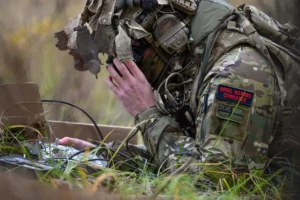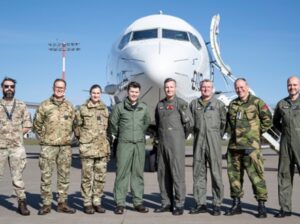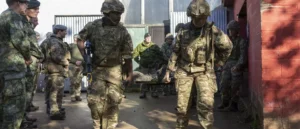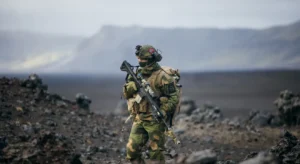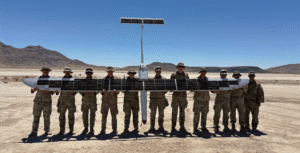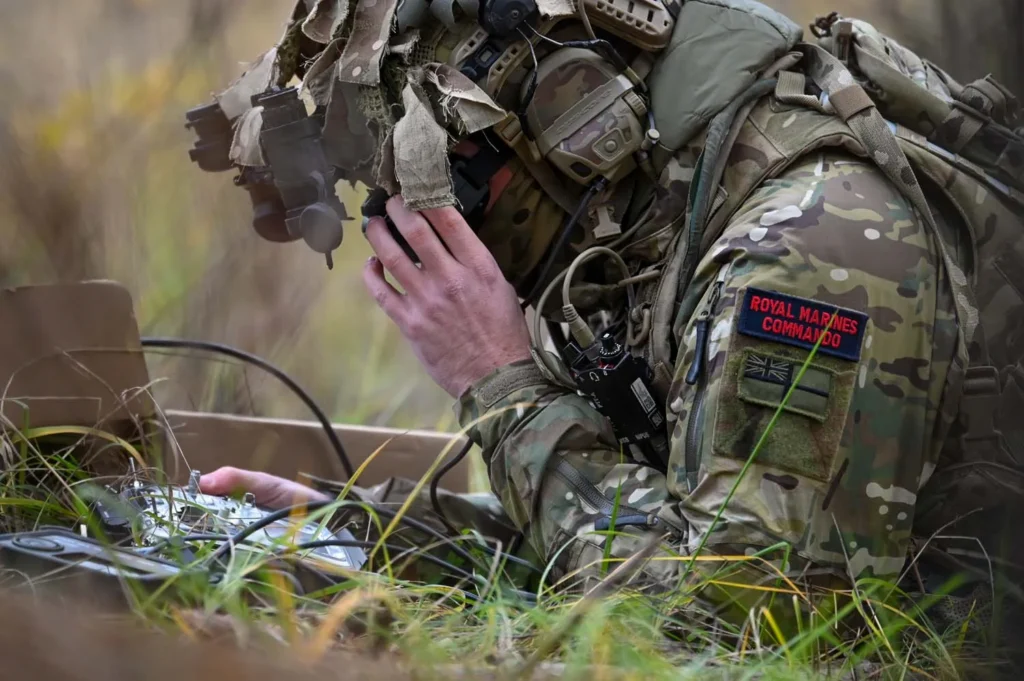
A five-strong team from 40 Commando Royal Marines has won the inaugural Drone Crucible competition in Germany, beating teams from the US, Germany, Latvia and Ukraine, according to the Royal Navy.
The Taunton-based unit competed over three days at the Grafenwöhr Training Area in Bavaria. Teams flew 400 sorties in the first Special Operations Forces event of its kind. The host, the US National Drone Association, praised the British team’s “outstanding performance, professionalism and dedication.”
Three Challenges
The first task required teams to locate a target more than two kilometres away. They then confirmed its identity with a surveillance drone, struck it and assessed the damage.
Teams then flew drones into and through two-storey buildings and narrow spaces to clear them. In the final challenge, crews coordinated three drones to strike a single target in quick succession.
Each challenge produced a different winner. The UK team took the overall title for consistent performance.
Rapid Adaptation
Major William Docherty, who commands the Information Warfare Company at 40 Commando, said the team adapted quickly despite little preparation together. Marines from different specialisations learned at pace and performed well against experienced Special Operations pilots.
He said the company combines sensors, communications and strike options. Marines are therefore well placed to integrate new capabilities such as First Person View (FPV) strike drones.
Organisers designed the contest to improve allied drone operators’ combat skills and help nations learn from each other. Industry partners also used the event to show new equipment. For UK Commando Force, the result reflects ongoing work toward a credible FPV strike capability.
Faster Launch Drills
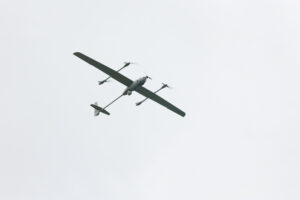
The win follows separate work by Malloy Flight, Delta Squadron, 48 Commando (Support Group). The Devon-based unit spent five days at Spadeadam Training Area in Cumbria testing tactics for its Malloy quadcopter, which carries payloads of up to 63kg.
The new procedures let a freshly trained team launch within three minutes by day and five minutes at night. Shorter setup times reduce the risk that an adversary detects and targets drone crews, a lesson drawn from the war in Ukraine.
Learn more on The Royal Navy website