Greece and Israel signed a €3 billion ($3.5 billion) government-to-government agreement in Tel Aviv on Monday. The deal, dubbed “Achilles Shield,” will give Athens an integrated, multi-layered air defence network. Israel’s Defence Ministry called it the largest defence export agreement in the two countries’ history, according to Defense News.
A Layered National Shield
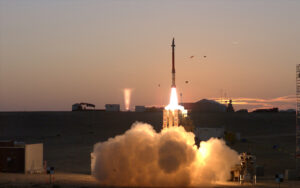
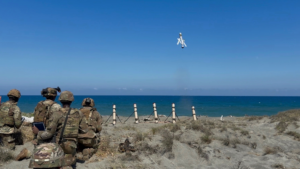
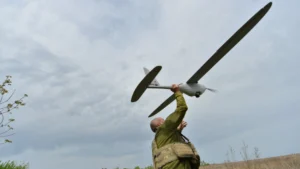
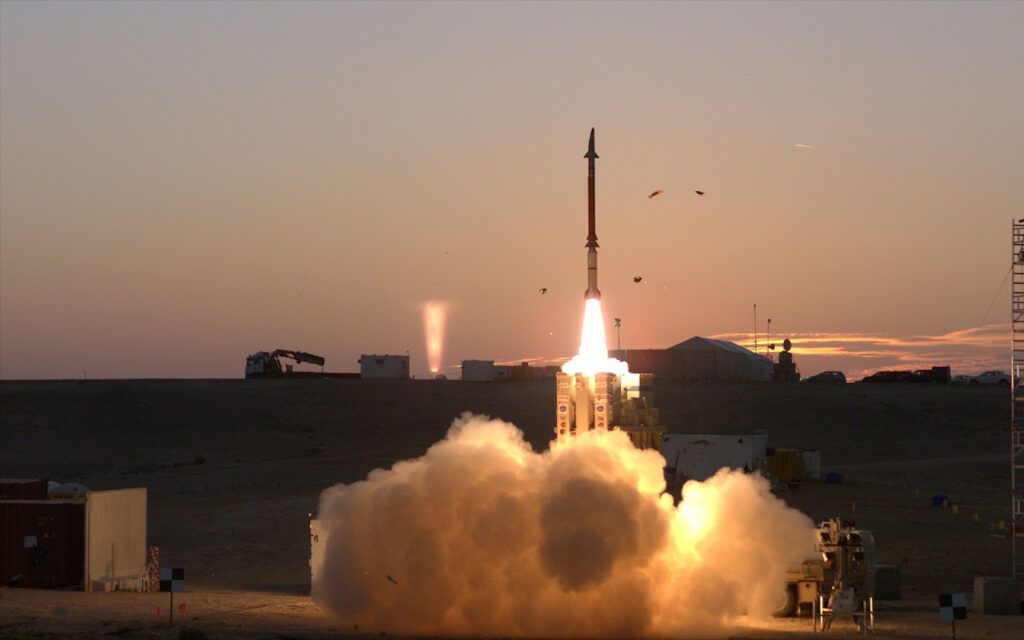
The Achilles Shield combines several Israeli-made systems into one command structure. Rafael Advanced Defence Systems will supply the David’s Sling interceptor, which engages tactical ballistic missiles, cruise missiles and long-range rockets at ranges of 40 to 300 kilometres. Israel Aerospace Industries will provide the Barak MX system, covering ballistic missiles, fighter jets, drones and cruise missiles between 35 and 150 kilometres. Rafael’s SPYDER batteries will handle low-altitude threats, including helicopters and guided munitions, and are set to deploy on Greek islands. A separate €26 million contract adds Rafael’s Drone Dome system to protect strategic sites from drone incursions.
An AI-enabled national command-and-control centre, developed by Rafael, will tie the network together. Officials modelled it on Israel’s own integrated air defence hub. Greece expects full operational capability within 35 months, rolling out in stages, Israeli officials said.
Industrial and Strategic Stakes for Athens
Greek companies will secure more than 25 percent of the programme’s value, worth over €700 million, according to Greek defence officials. Nineteen Greek firms are already involved, POLITICO reported. Athens will also receive source-code access, letting Greek forces operate and maintain the system’s software independently rather than relying entirely on Israeli suppliers.
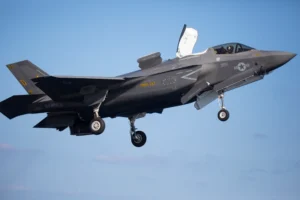
Greek Defence Minister Nikos Dendias said the country will become the first EU member to field a comparable integrated shield. The deal anchors Greece’s “Agenda 2030” modernisation drive, which aims to replace Cold War-era doctrine with capabilities suited to drone swarms and electronic warfare. Athens plans to spend roughly €28 billion by 2036 on the broader programme, which also includes up to 40 F-35 fighter jets and new frigates.
Regional Tensions Drive the Purchase
Longstanding disputes with Turkey over Aegean Sea sovereignty have fuelled the arms buildup. Analysts view Achilles Shield as Athens’ answer to Ankara’s $6.5 billion “Steel Dome” project. Dendias has repeatedly named Turkey as a central driver of Greek military modernisation.
Israeli officials did not name Turkey directly, but Defence Minister Israel Katz framed the agreement as strengthening a wider alliance. Tensions between Israel and Turkey have deepened over competing influence in Syria since the fall of the Assad government.
Greek leaders have also cited concern over spillover from Israel’s conflict with Iran, particularly the need to protect NATO assets such as the Souda Bay naval base in Crete. The David’s Sling system saw combat use during Israel’s war with Iran earlier this year, according to Defense News.
The agreement builds on Israeli defence exports that reached a record $19 billion in 2025, up roughly 30 percent year-on-year, Breitbart reported, citing Israeli export data.