Image: Royal Air Force
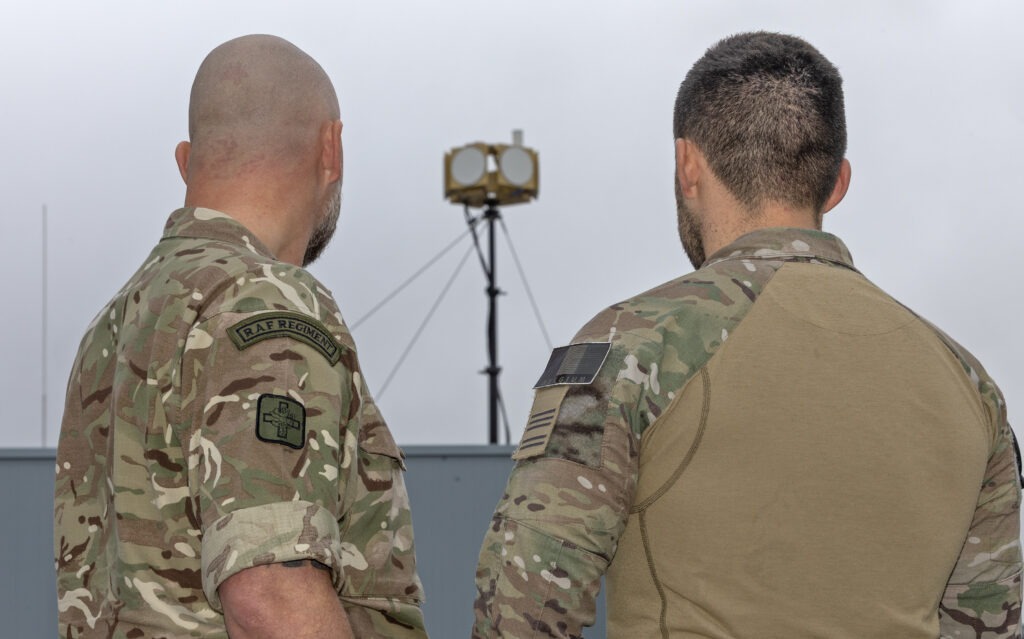
The United Kingdom has deployed a specialist Royal Air Force (RAF) Regiment counter-drone team to Belgium following a request from Brussels for urgent assistance in tackling a surge of rogue drone activity. The move underscores growing concerns across NATO over hybrid threats targeting critical infrastructure and military installations.
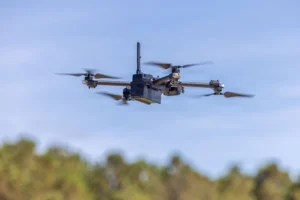
According to the UK Ministry of Defence (MoD), the RAF Regiment’s No. 2 Counter-Uncrewed Air Systems (CUAS) Wing—based at RAF Leeming—was dispatched after a series of drone incursions caused significant disruption at Belgian airports and military sites over the past week. The deployment follows six consecutive days of reported incidents involving uncrewed aerial systems (UAS) across Belgium.
Defence Secretary Grant Shapps confirmed the decision, describing it as a demonstration of allied solidarity. “When our NATO allies call, we step up,” he said. “Belgium requested urgent support to counter rogue drone activity at their military bases, so I’ve directed a small team of RAF specialists to deploy immediately. As hybrid threats grow, our strength lies in our alliances and our collective resolve to defend, deter and protect our critical infrastructure and airspace.”
NATO Response to Escalating Drone Activity
The surge in unauthorised drone activity across Europe has alarmed NATO members, with several countries—including France and Germany—also dispatching specialist units to assist Belgium’s response. Officials have linked the incidents to the broader spectrum of hybrid warfare tactics that Western intelligence agencies attribute to hostile state actors.
Air Chief Marshal Sir Richard Knighton, Chief of the Defence Staff, noted that Belgium’s request came amid increasing evidence of coordinated interference. “Russia is the biggest threat right now, and their illegal invasion of Ukraine has shown what they’re capable of,” he said. “We know they’re carrying out sabotage and waging a hybrid war against us.”
Belgium’s Defence Minister, Theo Francken, confirmed his government had approved an emergency counter-drone plan over the weekend, including the procurement of advanced detection and interception systems. “The safety of our airports and military areas is an absolute priority,” he said.
UK Capabilities at the Forefront
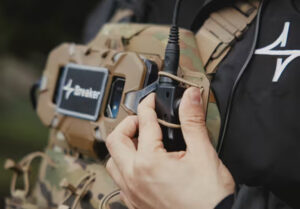
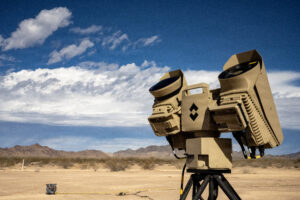
The UK has developed some of NATO’s most advanced counter-UAS capabilities, combining rapid detection systems, electronic jamming, and kinetic interception tools. Air Chief Marshal Harv Smyth, Commander of the UK’s Air and Space Forces, praised the RAF’s readiness to respond swiftly to allied calls for support.
“The threat from uncrewed aerial systems that we have faced here in the UK—and that our allies now experience in Europe—is very real and tangibly dangerous,” Smyth said. “Hostile technology that was once considered unconventional is now mainstream and used against us daily. That’s why we have invested heavily in developing counter-drone technology and first-class training for the personnel who operate it.”
Smyth added that the RAF Regiment unit deployed to Belgium has a “world-class reputation” for neutralising drone threats quickly and safely, and that their presence would help deter further incursions while protecting NATO assets and local economies.
The deployment marks another example of the UK’s expanding role in supporting NATO allies against hybrid and grey-zone threats, which increasingly target the seams between military and civilian domains.
Source: Royal Air Force