
Image: Government of the Republic of North Macedonia via Wikimedia Commons
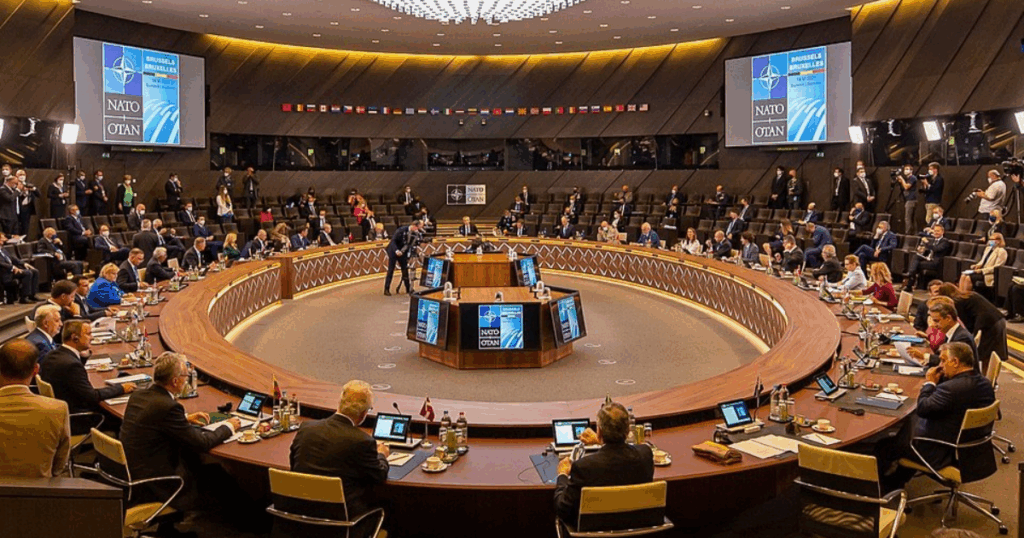
ATO defence ministers have agreed to bolster deterrence measures, expand counter-drone capabilities, and sustain military support for Ukraine, following a series of recent airspace violations across Europe. The decisions came during a two-day ministerial meeting at NATO Headquarters in Brussels, where leaders also discussed long-term defence investments and innovation partnerships, according to NATO.
Secretary General Mark Rutte reaffirmed the Alliance’s defensive nature but stressed its readiness to act decisively against emerging threats.
“NATO is a defensive Alliance. We will remain a defensive Alliance,” Rutte said. “But make no mistake – this defensive Alliance is ready and willing to do what it takes to keep our one billion people safe and our territory secure.”
Strengthening deterrence and defence posture
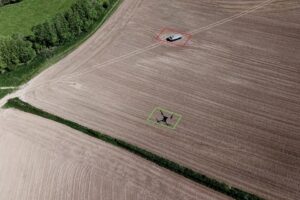
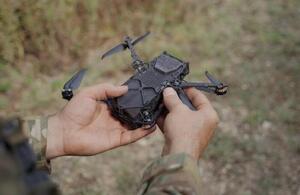
In response to increased drone incursions and other airspace violations near NATO borders, ministers agreed to enhance the Alliance’s deterrence and defence posture under the ongoing Eastern Sentry initiative. The programme, launched to reinforce NATO’s eastern flank, will now incorporate new testing of integrated counter-drone systems designed to detect and neutralise unmanned threats more effectively.
Officials underscored that rapid adaptation to evolving security challenges—particularly low-cost drone warfare—requires closer coordination between member states, the European Union, and private industry. Such partnerships are expected to accelerate technological development and operational readiness across the Alliance.
Rutte highlighted a recent example of cooperation, noting that nine Allies, together with Ukraine, supported Denmark earlier this month in strengthening its counter-drone defences.
“This is a powerful example of the quick and effective cooperation that is made possible through NATO,” he said.
Sustained commitment to Ukraine
The meeting also reaffirmed NATO’s steadfast commitment to Ukraine as Russia intensifies its attacks on civilian infrastructure ahead of winter. Ministers convened with Ukrainian Defence Minister Denys Shmyhal and EU High Representative Kaja Kallas during a session of the NATO-Ukraine Council, followed by discussions at the Ukraine Defence Contact Group.
Rutte emphasised that Allied assistance—including air defence systems, ammunition, and training—remains critical to Ukraine’s defence and resilience.
“Our support for Ukraine is crucial. And it will continue unabated,” he said.
Investing in collective defence
Beyond immediate security responses, ministers reviewed progress on increased defence spending across the Alliance. Following commitments made at the 2024 Washington Summit, more member states have now met or exceeded the target of allocating at least 2% of GDP to defence, reflecting a broader shift toward sustained investment in readiness and innovation.
NATO officials said these initiatives collectively aim to ensure that the Alliance remains agile and technologically advanced in the face of modern threats, from drones and cyberattacks to long-range missile systems.
The Brussels meeting marks one of the final ministerial sessions before NATO’s next summit in 2025, where leaders are expected to assess progress on deterrence, capability development, and support for Ukraine’s defence integration with the Alliance.
Source: NATO



.jpg)