Image: nLIGHT Defence
The US Department of War has awarded two Joint Laser Weapon System (JLWS) agreements worth $86 million, with a total programme ceiling of $847 million, as per a recent press statement. The deals aim to strengthen America’s defences against cruise missiles and unmanned aerial systems.
Building next-generation intercept capability
nLIGHT Defense and Lockheed Martin Aculight will deliver the agreements. The Department’s Scaled Directed Energy (SCADE) Critical Technology Area executed both contracts under Other Transaction Authority. The Office of the Under Secretary of War for Research and Engineering leads the JLWS programme. It seeks to move directed energy weapons from prototypes into deployable, production-ready systems.
The Department wants to equip combatant commanders with scalable intercept solutions. These systems must counter both asymmetric threats and advanced adversary capabilities. Laser weapons offer speed-of-light engagement and deep magazines. They also cut the cost of each intercept significantly compared with kinetic interceptors.
Scaling power output in phases
Initial JLWS prototypes will operate at around 150 kW to meet urgent operational needs. Later versions will scale up to 300–500 kW, the threshold needed for robust cruise missile defence. The Department will also develop a 500-kW integrated system. This effort draws on laser technology from the High Energy Laser Scaling Initiative.
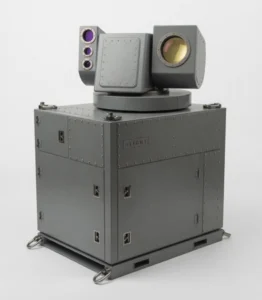
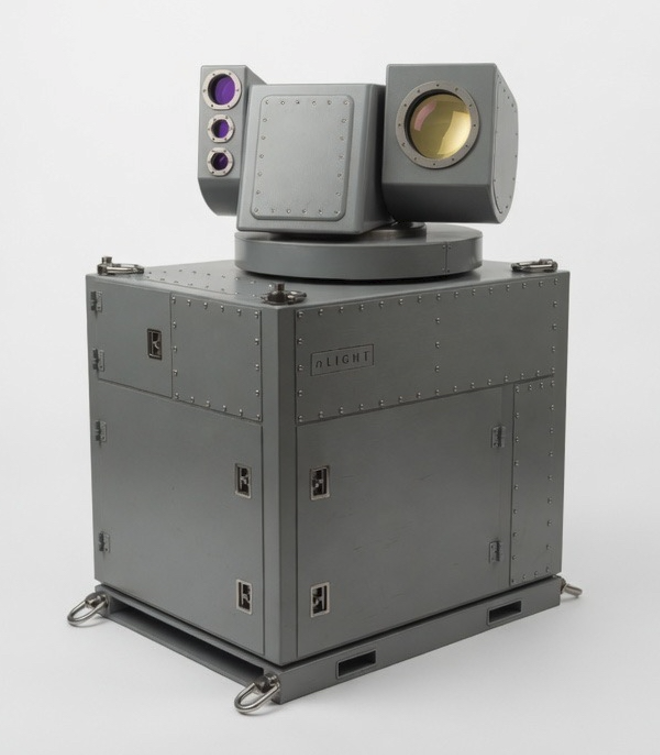
Engineers will build the systems in containerized formats. This design allows integration across ground and naval platforms alike.
“We must actively defend the homeland against emerging threats,” commented Emil Michael, Under Secretary of War for Research and Engineering. He added: “We are partnering with industry to rapidly deliver deep magazine directed energy capabilities to the Joint Force that can be seamlessly deployed across multiple domains.”
The OTA framework lets the Department skip lengthy acquisition processes. This approach keeps development iterative and speeds the transition to production.
Read more on the U.S. DoW website