Image: Northrop Grumman
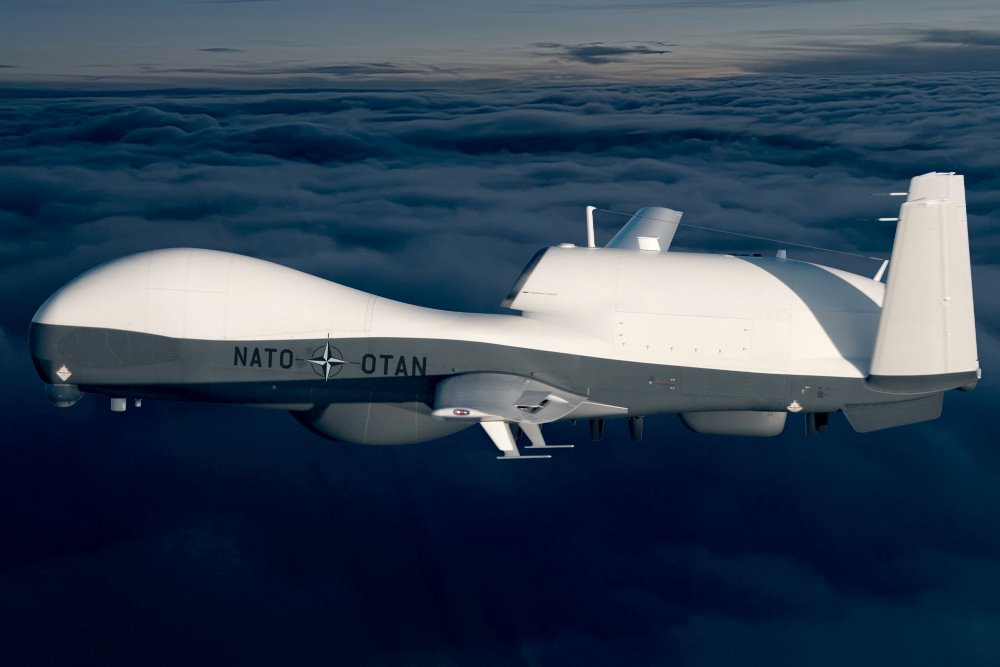
Northrop Grumman’s MQ-4C Triton is poised to become NATO’s newest maritime surveillance asset, following a Letter of Intent signed by four member nations at the NATO Summit Defense Industry Forum in Ankara on 7 July 2026, as per a recent press statement.
Built for the Maritime Domain
The Triton is a high-altitude, long-endurance unmanned aircraft purpose-built for maritime ISR missions. Unlike NATO’s existing RQ-4D Phoenix, which operates from Sigonella, Italy, and focuses on broader surveillance tasks, the Triton brings dedicated capabilities for monitoring vast ocean areas.
The aircraft carries multi-intelligence sensors, allowing it to gather and share data across several intelligence disciplines simultaneously. It exchanges information intelligently with crewed platforms, supporting faster, better-coordinated maritime operations across domains.
Extended Range and Endurance
Long endurance sits at the core of the Triton’s design, allowing it to patrol vast maritime areas for extended periods. This capability extends NATO’s surveillance reach across the alliance’s northern, eastern and southern flanks, addressing growing demand for persistent maritime awareness.
Shared Lineage with the Phoenix Fleet
The Triton descends from the same Global Hawk family of aircraft as NATO’s Phoenix fleet. This shared heritage offers the alliance genuine cost-saving opportunities across operations, maintenance and training programmes.
Northrop Grumman will build and deliver the Triton, working closely with NATO, the US Navy and trans-Atlantic industrial partners. European companies will supply ground station components and data processing infrastructure supporting the aircraft’s operations.
Once fielded, the Triton will complement the Phoenix fleet, giving NATO commanders a more complete maritime picture and reinforcing alliance-wide security operations.
Read more on Northrop Grumman’s website