Image: RAF Press Release
Four British soldiers have each shot down five or more Iranian drones, earning a combat title not awarded since the Second World War.
Crack gunners from the RAF Regiment have achieved “ace” status for the first time in the unit’s history, neutralising Iranian drones during operations in the Middle East. The milestone redefines a title born in the cockpits of the Second World War and plants it firmly on the modern battlefield.
The designation has its roots in a simple but demanding standard: shoot down five or more enemy aircraft, and you earn the title. Fighter pilots claimed it over the skies of Europe eight decades ago. Now, RAF Regiment gunners are claiming it from the ground, missile by missile, drone by drone.
A Ground-Based Kill Chain Built for the Drone Age
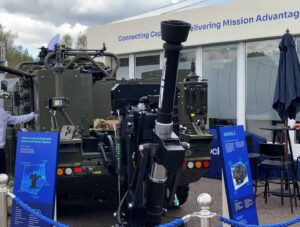
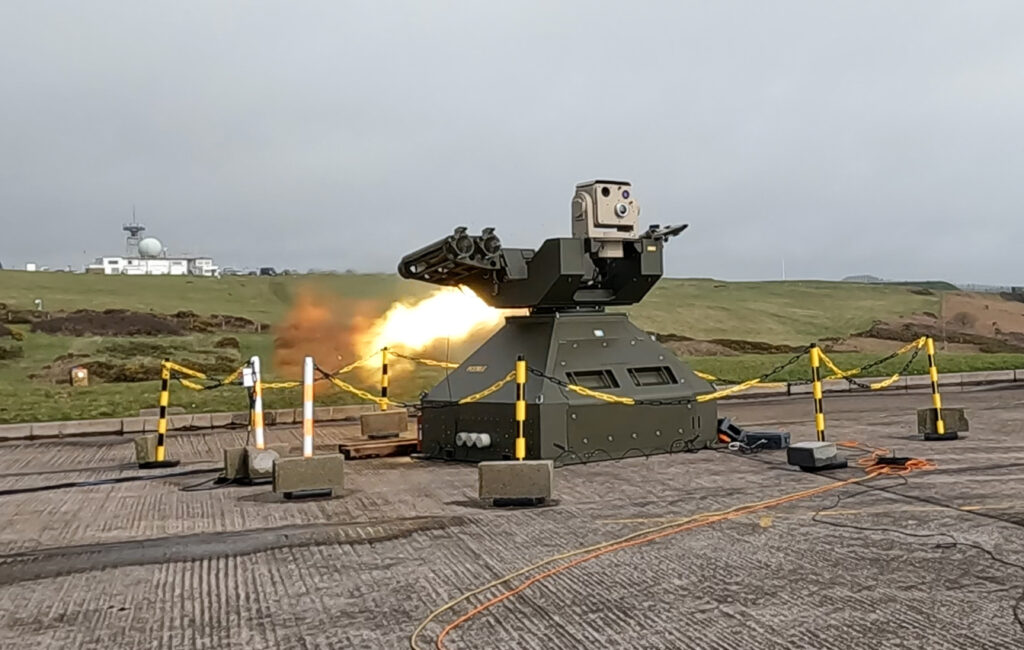
The four gunners achieved ace status operating the Rapid Sentry air defence system, armed with Lightweight Multirole Missiles (LMMs) manufactured by Thales UK in Belfast. The platform sits at the centre of a layered defensive architecture combining early-warning sensors and electronic warfare to detect, track, and engage incoming threats before they reach their targets.
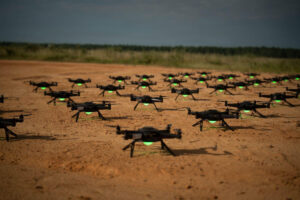
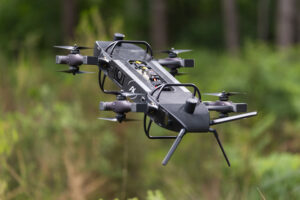
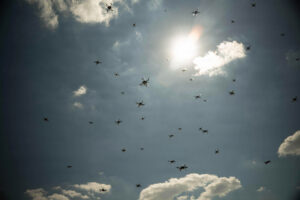
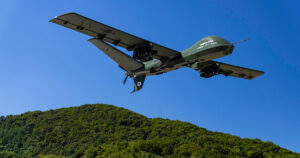
Those threats are significant. RAF Regiment gunners in the Middle East face uncrewed one-way attack drones, hostile aerial systems, and complex swarming technologies designed to overwhelm defences and endanger personnel on the ground.
Wing Commander Richard Maughan, Officer Commanding No. 2 Counter-Uncrewed Aerial Systems Wing, confirmed that operations began in late February 2026. His personnel have been at the sharp end ever since. On the nights of 23rd and 24th March, his gunners delivered what he called “the most effective defensive outcome achieved in a single night to date.”
Young, Tested, and Unbroken
Some of these gunners are 18 years old. Others are just eight months out of training. All of them have operated under direct fire, continuing to load and engage targets as enemy missiles landed around them.
“We are responsible for detecting, tracking and engaging targets, often while coming under fire,” one of the newly designated aces said, according to the Ministry of Defence. “We take immense pride in our role.”
Air Commodore Paul Hamilton, Commander Global Enablement, was direct in his assessment. “They are genuinely putting their own lives at risk in the defence of others,” he said. “I am extremely proud of the professionalism and self-sacrifice being displayed by these amazing people.”
Procurement Decisions Follow Battlefield Results
The performance of the LMM and Rapid Sentry system is already driving policy. The Defence Secretary announced this week that the UK will deploy Rapid Sentry to Kuwait, bolstering the country’s air defences against Iranian attacks. The MoD has also confirmed plans to procure additional Lightweight Multirole Missiles, with training support to be offered to regional partners in the UK where needed.
Minister for the Armed Forces Al Carns MP stopped short of understatement. “Night after night, under threat, they are protecting British lives and British interests,” he said. “It isn’t just impressive, it is exceptional.”
The MoD confirmed the operations remain consistent with British policy: defend personnel, assets, and partners in the region without being drawn into the wider conflict.
The first ground-based drone aces in RAF history did not emerge from a training exercise or a simulated engagement. They earned the title under fire, in one of the world’s most volatile theatres, with a weapons system that, engagement by engagement, is proving its worth.
Source: UK MoD Press Release