Image: UK MoD
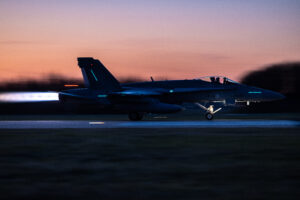
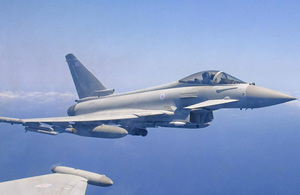
The Royal Air Force has fielded a new low-cost precision weapon system on its Typhoon jets, giving pilots a cheaper and more sustainable way to neutralise drone threats across the Middle East.
The Advanced Precision Kill Weapon System (APKWS) converts unguided rockets into laser-guided precision munitions and reached operational deployment in under two months, according to the UK Ministry of Defence. RAF 9 Squadron Typhoons are now flying active sorties with the system as part of ongoing defensive operations in the region.
low-cost drone defence
The procurement timeline is striking. A successful ground-target strike took place in March. By April, pilots from 41 Test and Evaluation Squadron completed live air-to-air firings, proving the system’s ability to engage drones in flight. Weeks later, it was operational.
Industry partners BAE Systems and QinetiQ drove the accelerated schedule. Minister for Defence Readiness Luke Pollard credited the collaboration, saying the system would allow the RAF to shoot down “many more drones at a much lower cost.”
Solving a Cost Problem With a Cost Solution
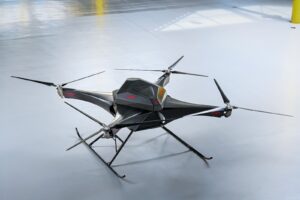
Drone proliferation has forced Western militaries to confront an uncomfortable equation. Expensive air-to-air missiles intercepting cheap attack drones represent a deeply unfavourable exchange rate. APKWS addresses that directly.
Laser-guidance kits fitted to existing unguided rockets deliver precision strike capability at a fraction of conventional missile costs. No new airframes. No major integration overhauls. The system fits the Typhoon fleet already in service.
BAE Systems Air sector Managing Director Simon Barnes said the capability underlines “Typhoon’s exceptional versatility” and its continued role as the backbone of combat air across Europe and the Middle East.
A Wider British Defensive Footprint
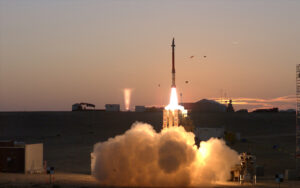
APKWS joins a broader UK air and ground-based defence network already operating across the region. Sky Sabre is deployed in Saudi Arabia, the Lightweight Multirole Missile in Bahrain, and the Rapid Sentry and ORCUS systems in Kuwait.
RAF pilots have now logged more than 2,500 flying hours on defensive missions since regional hostilities began, equivalent to over three months of continuous operations.
Air Commodore Donal McGurk, Deputy Director Operations at Air 11 Group, welcomed both the development speed and testing rigour, calling the missiles “a valuable addition to the air defence package we are already employing with agility across the Middle East.”
Industrial Backing and Strategic Commitment
The deployment sits within a string of recent UK defence commitments tied to the growing drone threat. The MoD recently signed a multi-million-pound contract for Skyhammer interceptor missiles, built specifically to counter Shahed-style attack drones widely used by Iran-aligned forces in the region.
January saw the government commit over £650 million to upgrade the Typhoon fleet, securing more than 1,500 UK jobs and keeping the aircraft operational until at least the 2040s.
Both investments sit within the government’s pledge to raise defence spending to 2.6% of GDP by 2027, what ministers describe as the largest sustained increase since the Cold War.
QinetiQ Chief Executive Steve Wadey said his teams had delivered the “fundamental support needed by our armed forces” to ensure the UK and its allies remain “safe and warfighting ready.”
Source: UK MoD