Image: Sgt. 1st Class Jacob Kohrs
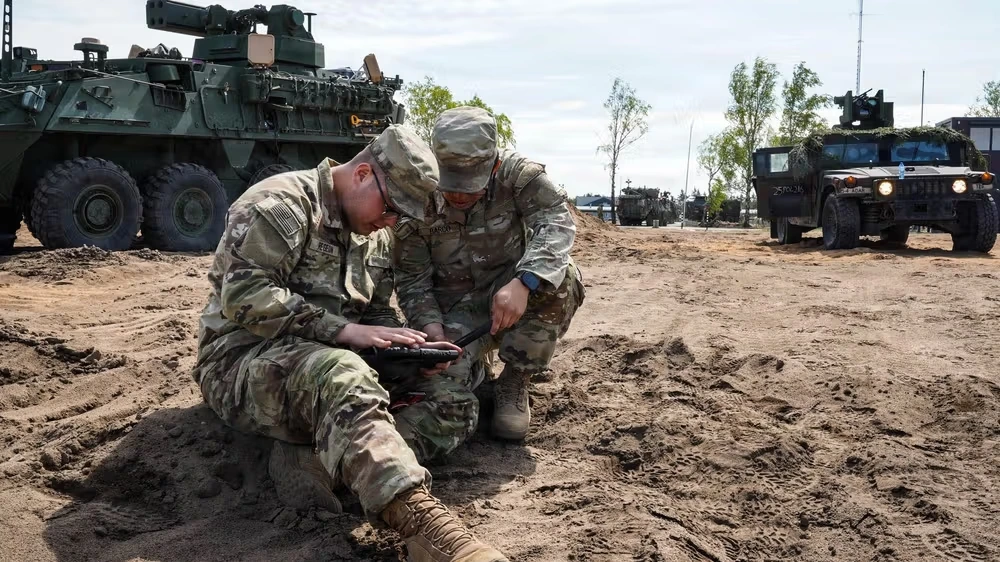
US defence technology firm Anduril Industries has demonstrated the battlefield capability of its Lattice command-and-control software during the US Army’s Flytrap 5.0 exercise in Lithuania, which concluded in mid-May.
Live-Fire Demonstration
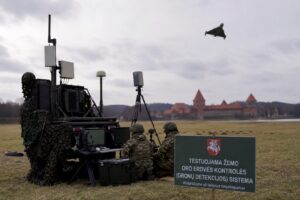
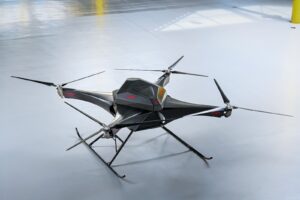
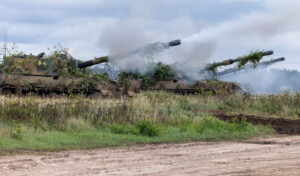
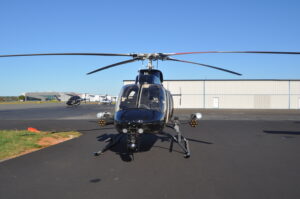
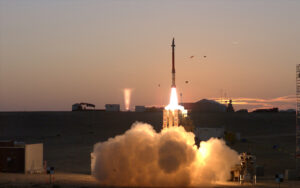
The exercise saw US and allied forces use the Integrated Battle Command System for Maneuver (IBCS-M), with Lattice serving as its software foundation, to detect, track, and destroy drone targets during a live-fire demonstration. Anduril engineers integrated more than 30 sensors and effectors into the platform throughout the exercise, 12 of which the Army used to evaluate contributions to a layered air defence architecture.
Open Architecture Integration
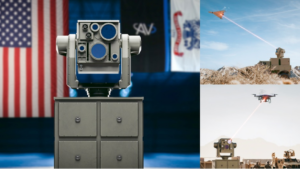
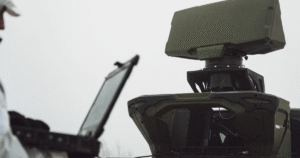
Lattice operates on an open systems architecture, allowing third-party developers to connect sensors and effectors via a Software Development Kit (SDK). Industry partners arrived at the exercise with radar systems, electromagnetic sensors, and kinetic effectors and completed integrations in real time, according to Anduril. The firm states a closed system would have required weeks or months to achieve comparable connectivity.
Kill Chain Execution
During the live-fire demonstration, operators used IBCS-M to execute the full counter-UAS (CUAS) kill chain. Lattice fused tracks across multiple sensors, relayed targeting data to effectors, and enabled target prosecution through a distributed mesh network, providing operators with a unified threat picture.
Eastern Flank Threat Context
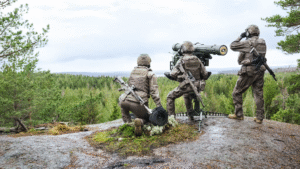
The exercise took place against a backdrop of persistent drone activity along NATO’s eastern borders, where one-way attack drones, low-cost munitions, and autonomous weapons have become routine threats across terrain ranging from coastlines to dense woodland. US and allied planners have increasingly prioritised mobile, layered air defence systems capable of keeping pace with manoeuvre operations in the region.
Road Ahead
Lattice was selected as the Army’s next-generation fire control platform for CUAS missions less than a year before Flytrap 5.0, making the exercise its most significant field validation to date. The Army intends to use findings from the exercise to inform future integration efforts as IBCS-M scales across its formations.
Read more on Anduril’s Website