Image: Forsvarsministeriets Materiel- og Indkøbsstyrelse
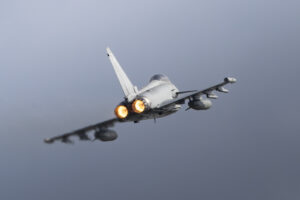
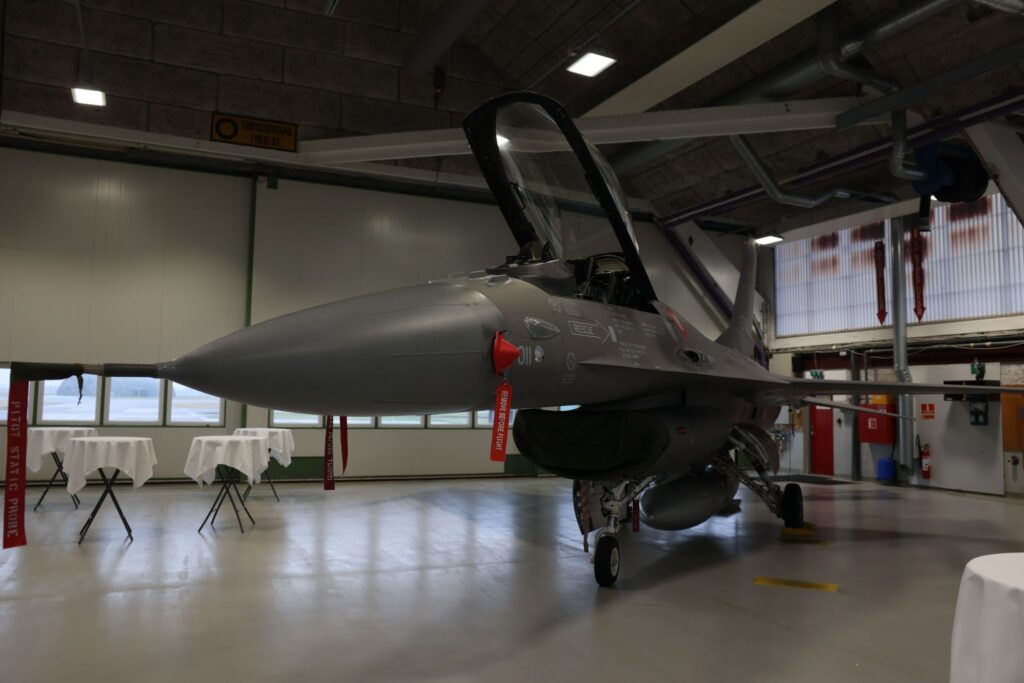
Denmark officially retired its F-16 fighter fleet from operational service on Monday, closing a significant chapter in the country’s military aviation history that began exactly 46 years ago.
Major General Jan Dam, head of the Royal Danish Air Force Command, announced the phase-out during a farewell ceremony at Skrydstrup Air Station. The first Danish F-16 touched down on Danish soil on January 18, 1980, marking the start of nearly five decades of service.
“The operational F-16 aircraft are now declared phased out,” Dam said at the conclusion of Monday’s event, according to a statement from Denmark’s Defence Materiel and Procurement Agency (FMI).
The American-made multirole fighter jets have served as a cornerstone of Danish defence capabilities both domestically and in international operations. Over their operational lifetime, the F-16s participated in numerous NATO missions and coalition operations, representing Denmark’s commitment to collective security.
Lieutenant General Per Pugholm Olsen, commander of FMI, addressed the ceremony and highlighted his organization’s extensive involvement with the platform. FMI and its predecessor agencies managed the F-16 program from initial acquisition through decades of maintenance and upgrades, ultimately overseeing the aircraft’s retirement and disposal.
“Thank you to the F-16 and all the people who have helped make this capability a great success over the past many years,” Olsen said.
Denmark’s F-16 retirement comes as the nation transitions to more advanced fighter aircraft. The country has previously announced plans to replace the aging fleet with F-35A Lightning II Joint Strike Fighters, part of a broader European trend toward fifth-generation combat aircraft.
The timing of the retirement reflects the F-16’s extended service life and the logistical challenges of maintaining aging airframes. Denmark acquired its F-16s during the Cold War era when the aircraft represented cutting-edge technology for NATO air forces.
Several Danish F-16s have been donated to Ukraine to support that country’s defence against Russian aggression. This transfer allowed Denmark to contribute to European security while retiring aircraft that had reached the end of their operational viability for Danish requirements.
The ceremony at Skrydstrup marked not just the retirement of an aircraft type, but recognition of the thousands of pilots, maintainers, and support personnel who operated the fleet. Their work sustained Danish air defence capabilities through profound geopolitical changes, from the Cold War through post-9/11 operations to current security challenges.
Denmark joins a growing list of European nations retiring their F-16 fleets. The aircraft, however, continues flying with numerous air forces worldwide, testament to its enduring design and adaptability.
The Royal Danish Air Force now focuses on integrating its replacement fighters and maintaining readiness during the transition period. The F-35 program promises enhanced capabilities including stealth characteristics, advanced sensors, and improved interoperability with allied forces.