Image: Ukraine MoD
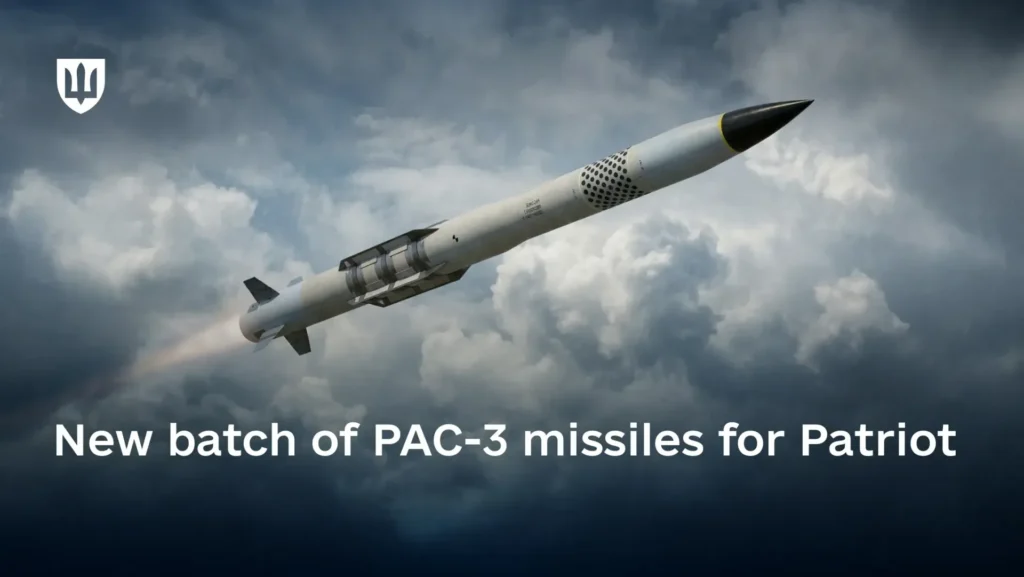
Berlin has transferred a new batch of PAC-3 missiles to Ukraine, bolstering Kyiv’s capacity to defeat ballistic and hypersonic threats amid Russia’s sustained aerial campaign.
Germany delivered the interceptors in the wake of the latest Ramstein-format contact group meeting, according to Ukraine’s Ministry of Defence. The transfer directly supports Ukraine’s stated ambition to intercept at least 95 percent of incoming missiles and drones — a target embedded in Defence Minister Mykhailo Fedorov’s published War Plan.
A Missile Built to Kill Ballistics
The Patriot Advanced Capability-3 is Ukraine’s primary tool against Russia’s most dangerous aerial weapons. The interceptor targets Iskander ballistic missiles and hypersonic systems, including the Kinzhal and Zircon.
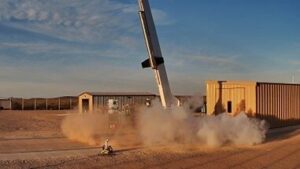
Standing roughly five metres long and 25 centimetres in diameter, the PAC-3 relies on the hit-to-kill kinetic intercept principle. It destroys targets through direct collision rather than proximity detonation. This approach eliminates the warhead entirely, minimising residual blast risk to infrastructure below.
Speed and Autonomy
The missile reaches speeds of up to 6,170 km/h and weighs just 218 kilograms. An active radar homing seeker guides it to the target, allowing sharp trajectory changes without relying on a ground-based illumination radar. That autonomous guidance capability makes it harder to defeat through electronic countermeasures.
Launcher Capacity
A single Patriot launcher can hold 16 PAC-3 rounds — four times the capacity of a launcher configured with the older PAC-2 variant, which carries one missile per container across four tubes. The higher magazine load means the system can engage more threats before requiring resupply, a significant tactical advantage in high-tempo engagements.
Engagement Envelope
The baseline PAC-3 Cost Reduction Initiative (CRI) variant covers a range of up to 45 kilometres and an intercept altitude of up to 12 kilometres. The upgraded PAC-3 Missile Segment Enhancement (MSE) extends both range and ceiling further, though precise figures remain sensitive. Ukraine’s Ministry of Defence says this envelope is sufficient to provide reliable coverage over any major Ukrainian city against ballistic threats.
Strategic Context
Russia continues to strike Ukrainian cities and infrastructure with massed salvos combining ballistic missiles, cruise missiles, and Shahed-series drones. Ukraine’s air defences have degraded Russian strike effectiveness considerably, but supply constraints on interceptors remain a persistent concern among Kyiv’s Western partners.
The PAC-3 delivery follows Fedorov’s public outline of Ukraine’s air defence priorities, which centre on real-time detection of all aerial threats and interception of the vast majority of them. Patriot systems, and specifically PAC-3 interceptors, sit at the core of that plan.
Ukraine’s Ministry of Defence has previously highlighted five key operational advantages of the Patriot platform. The latest German transfer, while not quantified publicly, represents a direct contribution to sustaining those capabilities.
Source: Ukraine MoD Announcement