Image: British Army
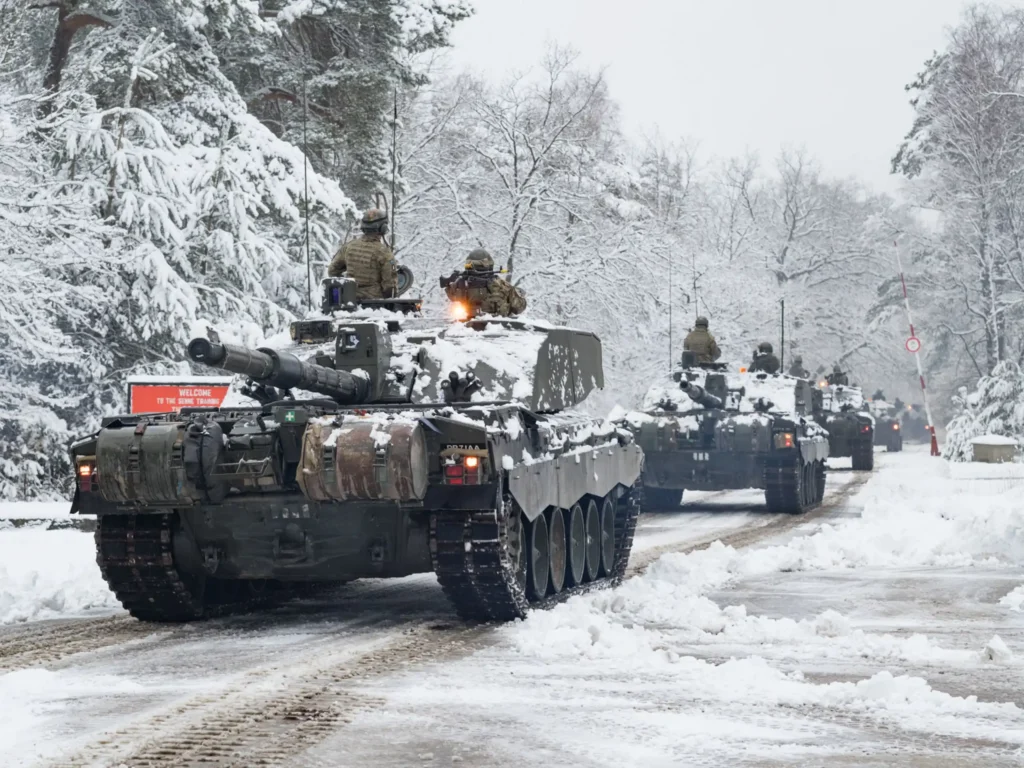
Over 350 soldiers from the Queen’s Royal Hussars have tested drone warfare tactics from moving armoured vehicles in Germany, marking a significant step in the British Army’s modernisation drive.
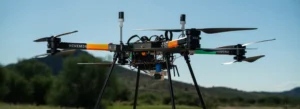
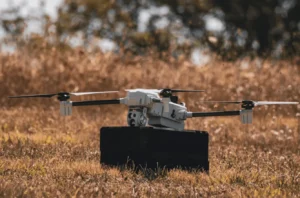
Troops from the Queen’s Royal Hussars (QRH) conducted Exercise Senne Hussar at Sennelager, Germany, trialling the launch of surveillance and strike drones directly from Challenger 2 tanks while on the move and without dismounting. The exercise also marked the first field deployment of the British Army’s new Find and Strike Squadron concept.
Drones Under Armour
The exercise tested the integration of drone systems into armoured operations at a tactical level. Soldiers launched both surveillance and strike drones from moving vehicles, streaming live feeds across all troops in real time. The approach reduces the need for dismounted reconnaissance and aims to keep armoured units operating at greater speed.
B Squadron Leader Major Douglas Graham described the ambition clearly. “We are flying drones under-armour and on the move to integrate the system’s capability into an armoured battle group so we can operate at a tempo unmatched by our enemies,” he said.
Graham added that the exercise focused on developing procedures to blend ground reconnaissance with drone capabilities and precision strike troops, extending the unit’s effective engagement range further than previously possible.
A New Kind of Squadron
Exercise Senne Hussar also saw the first field deployment of the Army’s Find and Strike Squadron, the first of its kind within the Field Army. The squadron brings together reconnaissance, drone, and strike troops under a single structure, enabling faster target acquisition and engagement at longer range.
The QRH is converting one of its tank squadrons into this new formation. Two other heavy armoured regiments are undergoing the same transition as part of a broader shift to a new Type 44 structure, a reorganisation designed to increase battlefield lethality and situational awareness without reducing overall tank numbers.
Shared Battlefield Picture
A key element of the exercise involved sharing live drone data across the entire force. Tank crews, dismounted infantry, and commanders all accessed a common operating picture in real time. According to the Army, this supports faster decision-making and reduces dependence on voice communications relayed through headquarters.
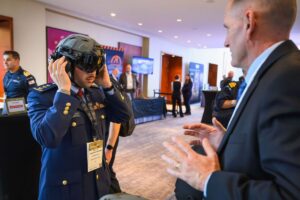
Troops also trialled a new high-cut helmet design that allows crew members to clip communications headsets in and out when moving between vehicles and on foot, removing the need to swap headgear entirely. The trial marked the first time the helmet has been used with a field unit.
Simulated Then Live
The exercise began inside the Combined Arms Tactical Trainer simulator facility at Sennelager, allowing troops to rehearse new tactics before applying them in live field conditions. The sequenced approach, simulation followed by live execution, is intended to accelerate the adoption of new procedures.
Commanding Officer Lieutenant Colonel Gerald Kearse set out his intent directly. “We are turning up the dial on Army modernisation,” he said. “It’s about becoming more ruthlessly lethal. But it is not just about capability replacement. We need to think about how we want to fight conceptually, followed by what we want to fight with.”
Broader Defence Context
The exercise sits within the UK government’s Plan for Change commitment, which includes rebuilding British defence capabilities. The QRH trials form part of a wider Army effort to integrate digital networks into armoured operations, connecting platforms, sensors, and strike assets into a coherent, faster-reacting force.