Image: Destinus
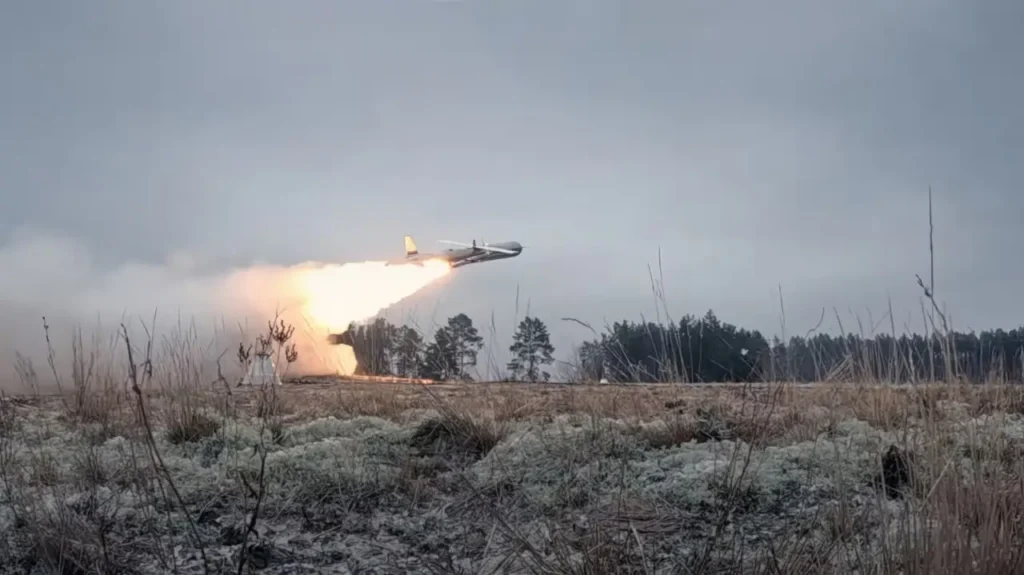
German defence giant Rheinmetall is joining forces with Dutch strike systems specialist Destinus to establish a cruise missile and rocket artillery manufacturer, targeting a market the two companies value at potentially billions of euros annually.
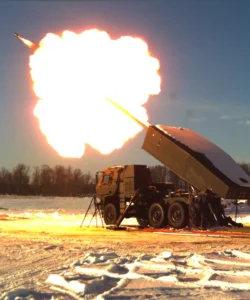
The two firms announced plans to create a joint venture named Rheinmetall Destinus Strike Systems, with operations expected to launch in the second half of 2026. Rheinmetall will hold a 51 percent controlling stake, with Destinus retaining 49 percent. The deal remains subject to regulatory approval. The venture will manufacture, market, and deliver advanced missile systems, principally cruise missiles and ballistic rocket artillery, combining Destinus’s existing production capabilities with Rheinmetall’s industrial scale and facilities inside Germany.
Industrial Capacity at the Core
Rheinmetall CEO Armin Papperger framed the deal as an industrial necessity rather than simply a commercial opportunity. “We must expand the industrial base for modern defence systems in Europe,” he said. “We are combining Rheinmetall’s production capacities and experience in managing large-scale programs with Destinus’s specific technology and system design.”
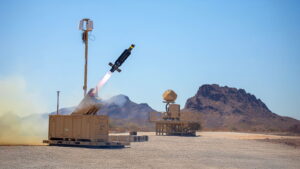
Destinus currently produces over 2,000 cruise missile systems annually through an established European serial production programme. It also develops turbojet engines and fields systems already operationally validated in Ukraine. The joint venture adds Germany-based qualification and serial production capacity through Rheinmetall’s existing industrial infrastructure. Destinus remains headquartered in the Netherlands, continuing to develop and manufacture core systems and components across its Dutch and broader European footprint.
A Market Shaped by Conflict
The strategic logic behind the deal draws heavily on lessons from recent conflicts. Fighting in Ukraine and the Middle East has transformed how militaries approach missile procurement, shifting from limited-batch acquisitions toward sustained, high-volume supply chains. Destinus co-founder and CEO Mikhail Kokorich addressed this directly. “Modern conflict is defined by volume and cost-per-effect,” he said. “Missile systems are evolving from limited-production assets into industrial products. The real constraint in Europe today is not demand, but industrial capacity.”
Both companies estimate near-term annual market opportunities in the hundreds of millions of euros, with potential growth into the low billions as European and allied procurement scales up. Demand for scalable strike systems now runs to thousands of units per year, a figure both partners expect to grow to tens of thousands over time.
European Sovereignty and NATO Alignment
The joint venture will target European customers first, alongside selected NATO partner nations, with local industrial partners potentially brought in for specific key markets. The companies say the structure supports European sovereignty objectives while meeting allied requirements. The announcement reflects a broader shift in modern warfare, with long-range strike moving away from drone-heavy approaches toward faster, more resilient, and mass-producible cruise missile systems. Together, the partners say they aim to close a critical gap between what Europe and Ukraine require and what the continent’s defence industry currently delivers at volume and at industrial tempo.
Source: Destinus & Rheinmetall Joint Press Release