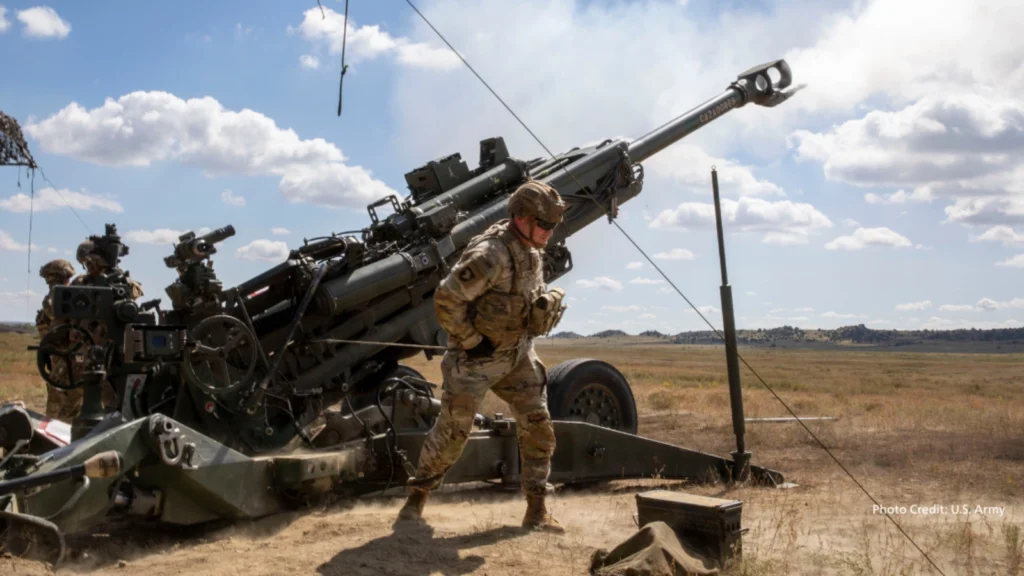
BAE Systems has won a $146 million undefinitized contract to begin manufacturing M776 cannons for the U.S. Army’s M777 Towed 155mm Howitzer, according to BAE Systems. The award creates a second domestic producer of the cannon for the first time, a move the company says will accelerate Army procurement and reinforce the resilience of the U.S. defence industrial base.
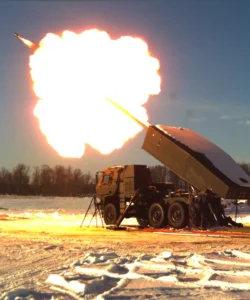
The M776 is the primary armament of the M777 system, a lightweight towed howitzer in active service across multiple operational theatres. Until now, a single manufacturer supplied all M776 cannons. Adding a second source allows the Army to acquire the weapon at a faster rate and reduces exposure to supply chain disruption, a vulnerability that has drawn growing attention across Western defence programmes in recent years.
Jason Casciotti, vice president of BAE Systems’ Weapon Systems product line, said the programme would expand U.S. manufacturing capacity while strengthening America’s industrial backbone, ensuring soldiers have the tools required for the mission.
BAE Systems’ facility in Louisville, Kentucky will anchor production. The company has invested more than $60 million in the site in recent years, adding advanced machining centres, upgraded heavy-lift cranes, improved test and assembly capabilities, enhanced weld equipment, and an on-site welder training school.
The Louisville site has supported U.S. Navy gun programmes for decades, producing barrels for the Mk 45 127mm naval gun and the Advanced Gun System 155mm. That background in precision large-calibre barrel production directly supports M776 cannon work and reduces manufacturing risk for the new programme.
The contract arrives as Western governments push to expand artillery production capacity. Large-scale transfers of M777 howitzers to Ukraine since 2022 have accelerated demand for replacement systems and components. Establishing a second U.S.-based cannon producer directly addresses that sustained demand signal while protecting long-term Army procurement from single-source risk.