Image: UK MOD © Crown copyright 2026
The British Army is undergoing its most significant transformation since the Cold War, with billions in new investment targeting a tenfold increase in lethality through autonomous systems, artificial intelligence, and a new warfighting doctrine, as per a recent press statement from the UK Ministry of Defence.
Central to the overhaul is the concept of “recce-strike” — a doctrine integrating surveillance, targeting, and precision fires at every level of command, from corps to platoon. The approach connects armoured vehicles, uncrewed systems, AI-driven networks, and long-range fires into a single, digitally-linked battlespace capability.
Project ASGARD anchors the transformation. Backed by £370 million over the next four years, the programme is already operational with British forces on NATO’s Eastern Flank in Estonia. It reduces the time required to detect, decide, and strike enemy targets, linking sensors, intelligence feeds, and weapons into a unified digital targeting web.
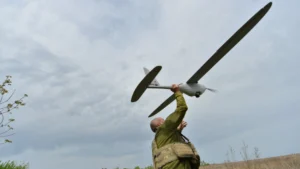
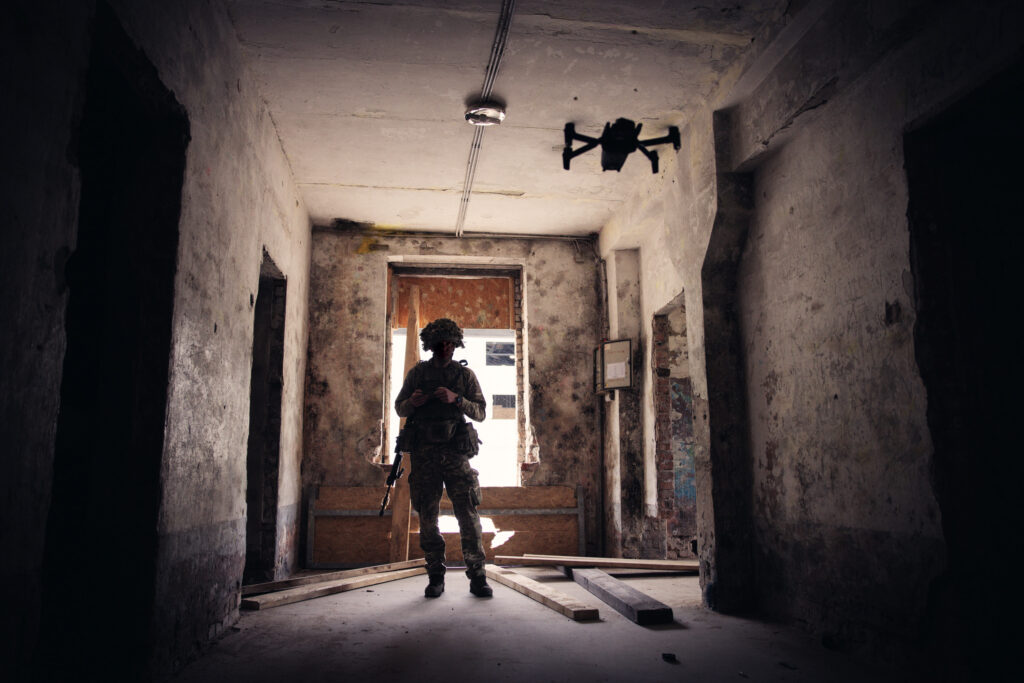
Alongside ASGARD, the Defence Investment Plan commits £220 million to Project NYX, delivering armed autonomous drones designed to operate in concert with Apache attack helicopters, and £310 million to Project CORVUS, which will field up to 24 next-generation surveillance drones by 2029 to replace the legacy Watchkeeper system. A further £150 million funds Uncrewed Ground Vehicles, while £200 million targets deployable counter-drone technology to protect deployed forces from the threat proliferating across modern battlefields.
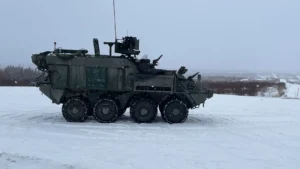
Investment in core armoured capability continues in parallel. Challenger 3 receives £1.1 billion to complete production, Boxer draws £2.2 billion for UK manufacture in the West Midlands, and the RCH 155 self-propelled howitzer gains £1 billion as part of a joint programme with Germany. The New Medium Helicopter programme receives £680 million, sustaining over 3,300 jobs in Yeovil.
The Land Lethality Pipeline adds £400 million to expand expendable autonomous weapons and support Special Forces, while a £190 million commitment joins the Precision Strike Missile programme alongside the United States and Australia, tripling the Army’s effective reach.
Lessons drawn from the war in Ukraine underpin the investment rationale. Near-total battlefield transparency driven by drone proliferation has made concealment increasingly difficult, driving the Army towards a force mix combining survivable crewed platforms, attritable drones, and consumable one-way strike systems.
Personnel recovery is also gaining traction. Since April 2026, Army intake has exceeded outflow, with net growth of 980 personnel in the 12 months to 31 March 2026. The plan targets a Regular Army component of 76,000 by 2030–35.
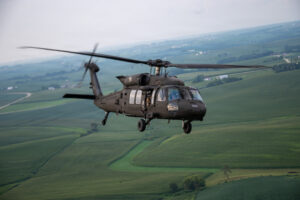
Between 2030 and 2035, the Ministry of Defence plans to invest at least £36 billion in land domain capabilities. The Wildcat Battlefield Reconnaissance helicopter will be phased out from 2027, alongside the oldest Chinook variants, offset by investment across NYX, CORVUS, and planned future Chinook procurement.
Read the full Defence Investment Plan Here