Lithuania will bypass standard procurement rules to rapidly acquire interceptor drones and new radar systems. The move strengthens NATO’s northeastern flank against small unmanned aircraft, according to AdriaDefense.
The Lithuanian Ministry of National Defence announced the decision on September 2. It authorizes the Defence Resources Agency to skip standard defence and security procurement requirements.
Testing Multiple Systems Before Committing
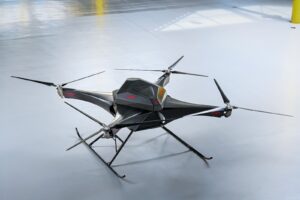
Lithuania won’t rush to pick a single supplier. Instead, the government will purchase trial batches of interceptor drones from several manufacturers. Officials plan to test these systems under operational conditions and check their compatibility with existing military equipment.
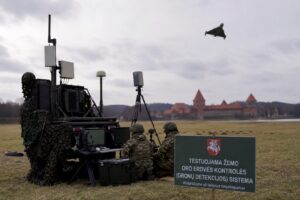
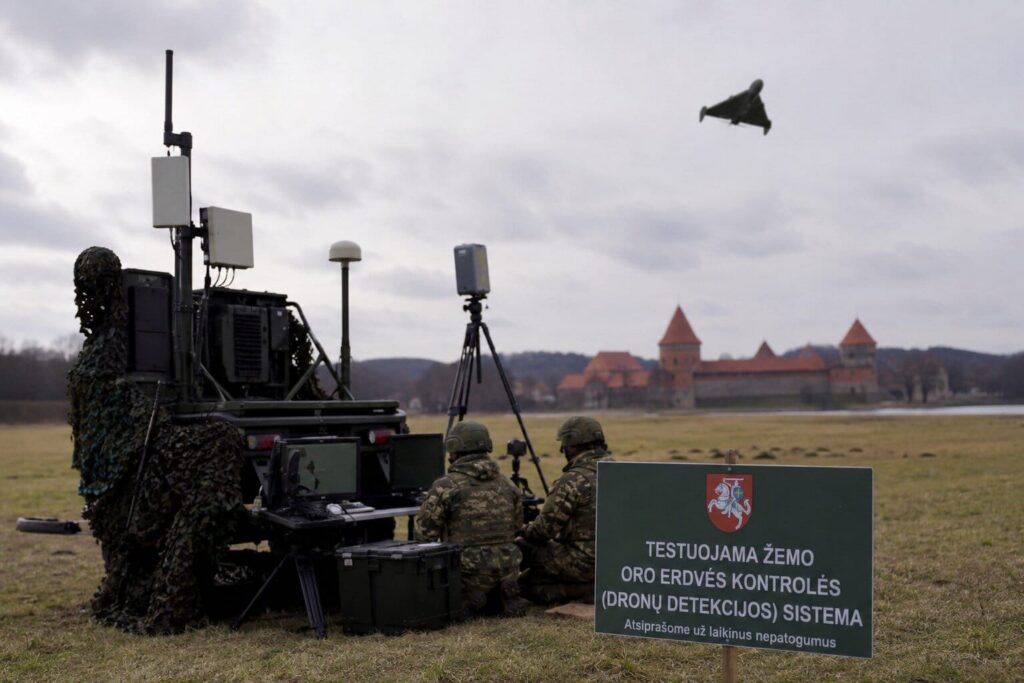
The procurement also covers short-range and passive radars. These systems will help Lithuanian forces detect small, low-flying targets earlier and choose the right response.
Small drones pose a specific challenge for European air defences. Conventional surveillance systems often struggle to spot slow, low-altitude aircraft. Firing expensive surface-to-air missiles at cheap drones also makes little economic sense.
Defence Minister Robertas Kaunas said Lithuania will prioritize systems already tested in Ukraine. The ministry won’t select suppliers on price alone; it will weigh different technological approaches instead.
Ukraine’s Rapid Innovation Cycle Drives Urgency
Lithuania’s ministry cited a stark statistic: drone and counter-drone technology now adapts within just two to eight weeks. That timeline comes from battlefield experience in Ukraine.
This rapid pace creates a genuine procurement dilemma. Systems that work today can lose their edge quickly as adversaries adjust tactics, frequencies and hardware.
The September decision builds on earlier steps. In April, Lithuania approved a trial batch of the Merops AS-3 Surveyor system from U.S. firm Perennial Autonomy. That system combines sensors, software and interceptor drones to track and neutralize enemy aircraft.
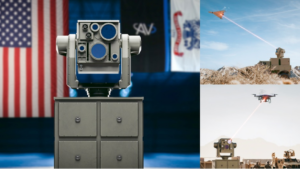
Lithuania is also exploring South Korean counter-drone options, including 30mm to 40mm anti-aircraft systems, AdriaDefense reported in August.
Part of a Broader Regional Buildup
Baltic and Black Sea NATO members have faced repeated drone incidents tied to the Russia-Ukraine war. Romania and other Baltic states now must distinguish between low-value drone threats and attacks warranting fighter jets or missile defences.
Lithuania has already invested heavily in conventional systems. It signed a €320 million contract for Saab Bolide missiles in December 2025, with deliveries running through 2028 to 2032. Poland, Lithuania, Latvia and Norway are jointly pursuing thousands of Piorun missiles under a framework worth more than PLN 8 billion.
The interceptor drone program fills a different gap. Rather than deploying missiles against every small drone, Lithuania wants a dedicated, scalable layer built specifically for this threat.
Vilnius hasn’t disclosed the procurement’s value or named specific suppliers yet. The government has committed roughly a quarter of its 2026 acquisition budget to air surveillance and defence, signaling how seriously it takes this evolving threat.