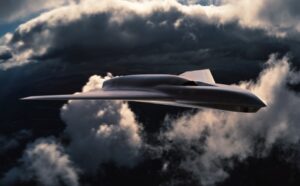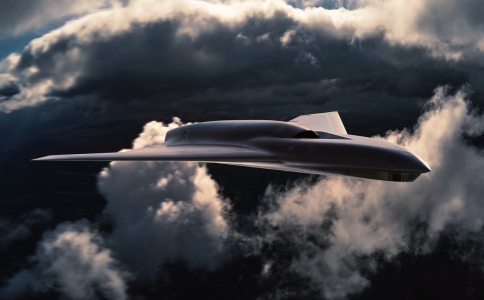
Lockheed Martin’s Skunk Works has ordered four additional Vectis vehicles, expanding production as the autonomous aircraft moves toward its first flight in 2027.
The uncrewed platform is designed to deliver enhanced lethality, survivability and operational flexibility for the United States and its allies. Its flexible architecture allows Vectis to adapt as missions change. The aircraft can integrate with crewed platforms such as the F-35, extending their reach and giving commanders new tactical options against emerging threats.
Rapid Development Timeline
The programme has progressed at an unusually fast pace. Engineers moved from initial concept to a wind tunnel fly-off in under two months. They completed the first digital build within six months and released the first physical part after eight months. This timeline keeps the first prototype on track to fly by late 2027.
Skunk Works attributes this speed to advanced design and manufacturing processes. The company developed these methods through internal investment across its portfolio of advanced development programmes.
A Visible Milestone
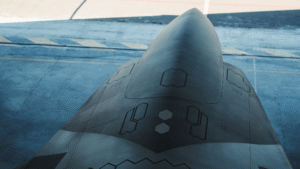
The production expansion coincides with the aircraft’s public debut. At the Air, Space & Cyber Conference, Skunk Works displayed a full-scale Vectis model for the first time, giving observers a clearer sense of the programme’s scale, as per a recent press statement.
The model represents more than a design exercise. It reflects tangible progress on a programme already gathering momentum, as autonomous, multi-mission aircraft become an increasingly central part of allied air power planning.
Learn more on Lockheed Martin’s website