Image: PTE Brendan Smith via Australian DoD
Australian Defence Force personnel have conducted their first collective field assessment of next-generation counter-drone technology during Exercise Austral Shield 2026 in Far North Queensland, marking a significant step in developing tactical responses to uncrewed aerial system (UAS) threats.
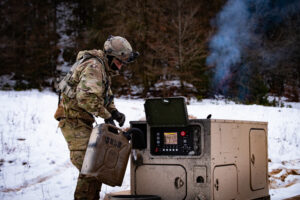
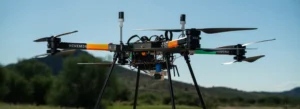
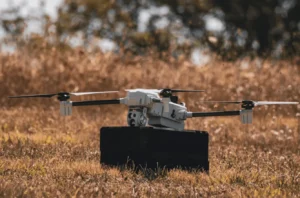
The trials took place in Weipa, where soldiers from Joint Task Force 629 evaluated a suite of counter-uncrewed aerial systems (C-UAS) in realistic operational conditions. According to the Australian Department of Defence, the exercise aimed to validate emerging technologies while refining tactics for frontline units.
Lieutenant Colonel Paul Middleton, officer in charge of the C-UAS program, described the activity as the first opportunity for soldiers to train collectively with counter-drone systems in a tactical environment.
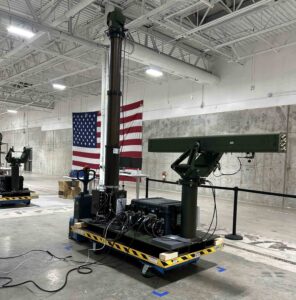
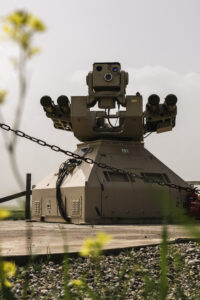
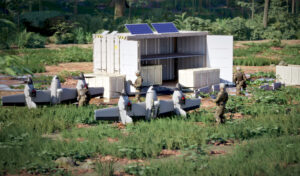
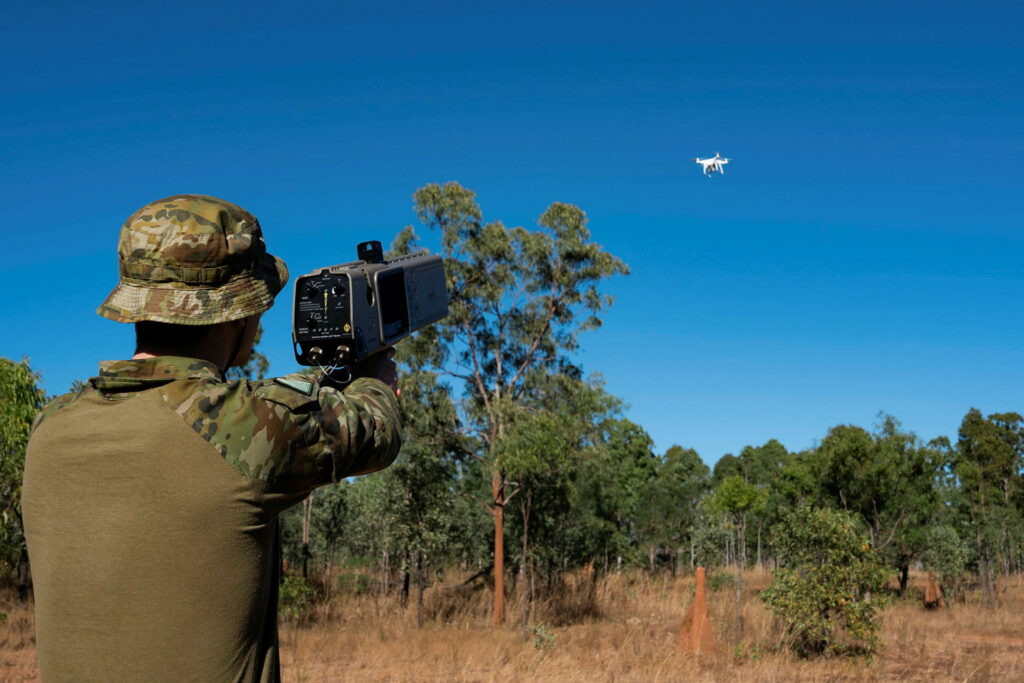
Among the systems tested was the DroneBuster Mk4, a handheld device that uses radio-frequency disruption to neutralise hostile drones. Personnel also assessed the KeyOptions Sky Control software and hardware suite alongside DroneShield’s RfPatrol Mk2, which provides area-wide drone detection.
Middleton said the exercise pursued three objectives: giving soldiers practical experience with the equipment, assessing its operational strengths and limitations, and helping commanders refine tactics and procedures for responding to UAS threats.
He added that the training extended to the lowest tactical level, with instructors coaching individual soldiers while integrating counter-drone capabilities into battlegroup operations. The approach sought to ensure C-UAS systems become part of broader combined-arms manoeuvre rather than stand-alone assets.
Chief of Joint Operations Vice Admiral Justin Jones said counter-drone capability had become an operational priority following recent command-post exercises. He noted that while those exercises often produce theoretical lessons, field activities such as Exercise Austral Shield allow the ADF to test concepts, validate equipment and rehearse responses under realistic conditions.
Learn more on the Australian Department of Defence website