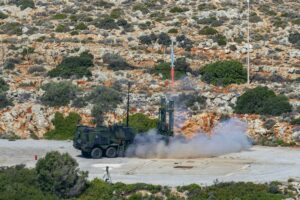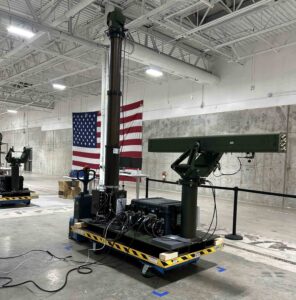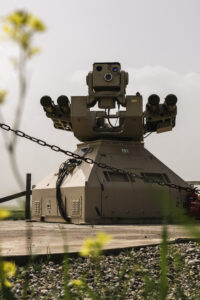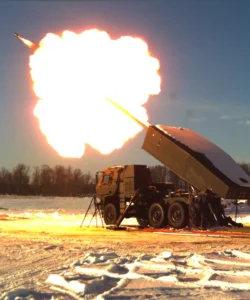
BAE Systems has revealed two new technologies designed to defeat saturation drone attacks: the Multi-Domain Artillery Cannon System (MDACS) and a High Power Microwave (HPM) system. Together, they form a layered defence against unmanned aircraft and missiles, protecting critical installations and manoeuvre forces, according to BAE Systems.
A threat outpacing traditional defences
Massed drone swarms have overtaken the capacity of magazine-limited kinetic systems, which can only engage as many targets as they hold rounds. BAE says the two new products address that gap by combining the precision of high-velocity kinetic weapons with the near-limitless capacity of directed energy.
Jason Casciotti, vice president of BAE Systems’ Weapon Systems product line, said the threat environment is evolving faster than traditional procurement cycles. He said a validated technical core and resilient supply chain give customers a high-maturity solution, ensuring “as long as there is power, there is defense.”
Kinetic layer: MDACS
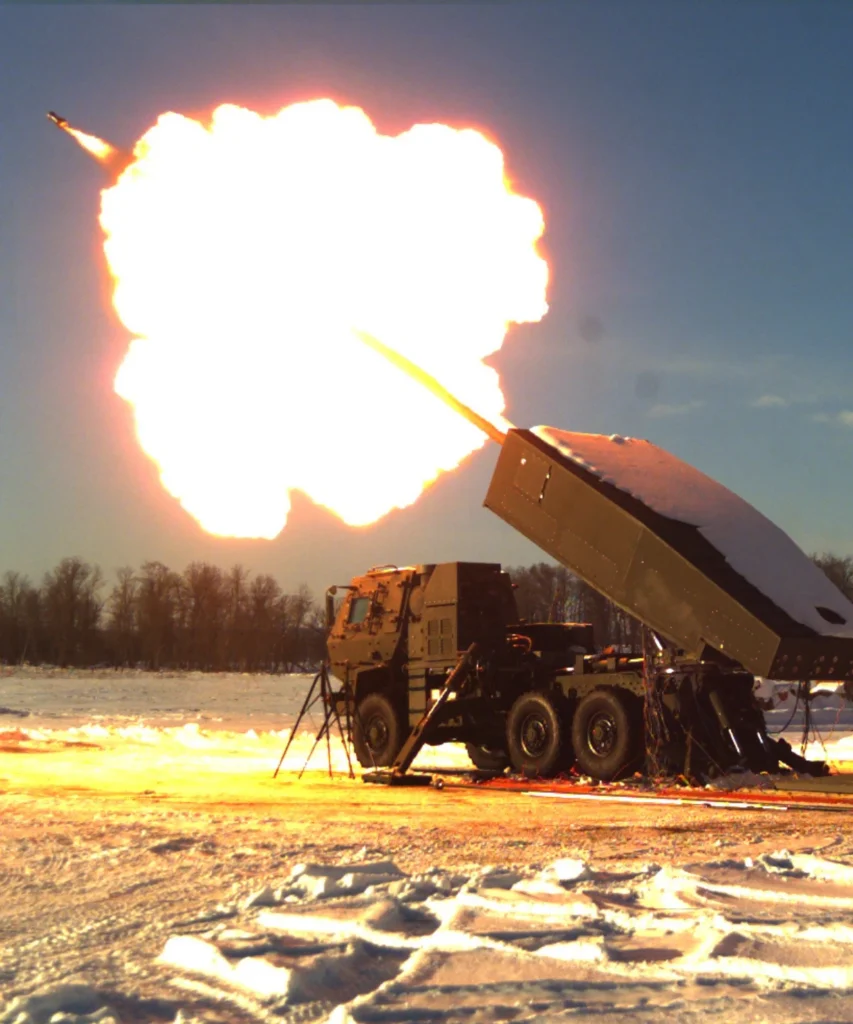
MDACS provides the kinetic element. The system is air transportable and agile, and it offers both offensive and defensive roles through a family of precision-guided munitions matched to each target.
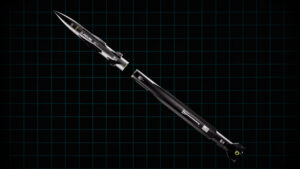
For air defence, it fires the Hypervelocity Projectile, a next-generation guided round. Against fixed and moving ground targets in contested environments, it launches Scorpio-XR. This precision-guided munition doubles the range of existing 155mm cannon-launched projectiles.
Directed energy layer: HPM
The High Power Microwave system supplies the directed energy layer. More than 99% of its components are commercial off-the-shelf, which supports a high-maturity architecture. It removes the logistics burden of conventional ammunition and can engage drone swarms continuously while power remains available. That endurance matters as adversaries field larger, better-coordinated formations.
Learn more on BAE Systems’ wesbite