Image: UAE Ministry of Defence X
The UAE Ministry of Defence has released updated operational data and visual evidence showing the country’s air defence network intercepting Iranian missiles and drones, highlighting the scale of the aerial campaign facing the United Arab Emirates and the effectiveness of its defensive systems.
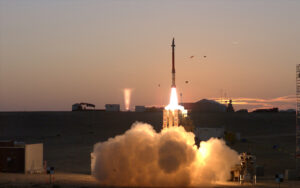
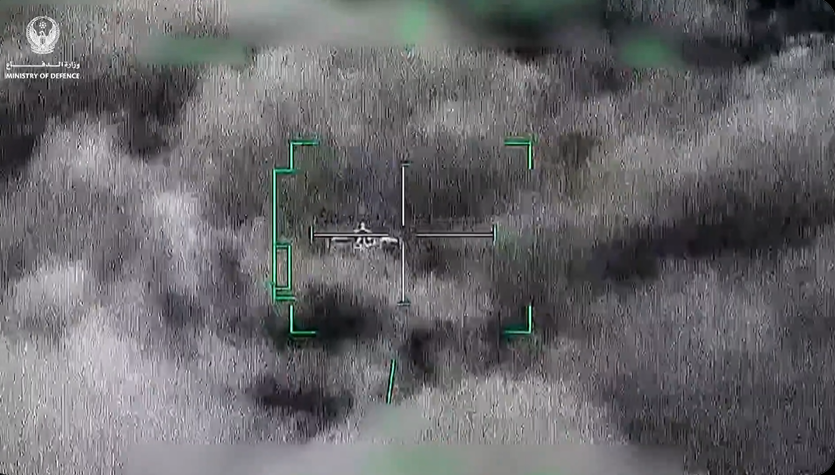
According to figures published by the ministry on 9 March 2026, Emirati air defence units successfully intercepted the majority of incoming aerial threats launched from Iran, including ballistic missiles and unmanned aerial vehicles (UAVs). The announcement was accompanied by a short black-and-white video showing interceptor launches and the destruction of hostile drones in mid-air.
Latest Interceptions
In the most recent wave of attacks, the UAE reported detecting 15 ballistic missiles. Air defence systems intercepted 12 of them, while three fell into the sea without reaching land.
Authorities also reported the detection of 18 drones, with 17 successfully intercepted by defensive systems. Only one UAV impacted within UAE territory, according to the ministry’s figures.
The data underscores the role of the country’s integrated air defence network, which combines radar early-warning systems with layered missile defence platforms designed to neutralise ballistic missiles, cruise missiles, and drones before they reach populated areas or critical infrastructure.
Large-Scale Aerial Campaign
The latest incident forms part of a sustained campaign of aerial attacks targeting the UAE since the start of the current escalation. Cumulative statistics released by the Defence Ministry illustrate the scale of the threat environment.
Officials say 1,440 Iranian UAVs have been detected so far. Of these, 1,359 were intercepted and destroyed, while 81 drones ultimately fell within the country’s territory.
Ballistic missile threats have also been frequent. The ministry reported that 253 ballistic missiles have been detected since the attacks began. Air defence units intercepted 233, while 18 missiles landed in the sea and two impacted on land.
In addition to drones and ballistic missiles, eight cruise missiles were detected during the campaign. According to the ministry, all eight were successfully intercepted, indicating a 100 percent interception rate for that category of threat.
The figures highlight the heavy operational tempo faced by Emirati air defence forces and the central role of missile defence systems in protecting national airspace.
Defence Posture and Regional Context
The UAE has spent years investing in advanced air and missile defence architecture, reflecting broader security concerns in the Gulf region where drones, cruise missiles, and ballistic missiles have increasingly been used in regional conflicts.
Integrated defence networks allow rapid detection, tracking, and interception of multiple incoming threats simultaneously—a capability that has become critical amid the rising use of low-cost UAVs alongside traditional missile systems.
Footage released by the Defence Ministry shows interceptors striking incoming drones mid-flight, reinforcing official claims that the majority of aerial threats are neutralised before reaching their intended targets.
Source: UAE Ministry of Defence X