Image: Defence Intelligence of Ukraine
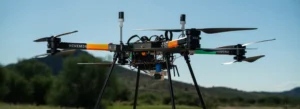
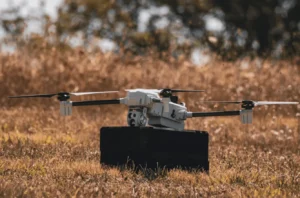
Ukrainian military intelligence units carried out overnight drone strikes against Russian air-defence infrastructure in occupied Donbas on 29 November, hitting multiple radar systems and a missile launcher, according to information released by the Defence Intelligence of Ukraine (HUR).
The operation, conducted by HUR’s Department of Active Measures, targeted components central to Russia’s ability to monitor Ukrainian air activity and guide surface-to-air missiles. Ukraine has increasingly employed long-range strike drones to disrupt Russian radar coverage and weaken air-defence layers in the east.
High-Value Air-Defence Targets
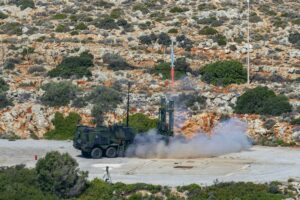
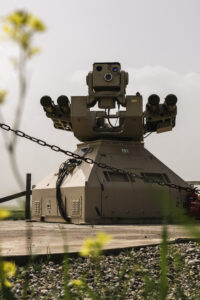
According to HUR, the drones struck a 9A83 launcher from the S-300V surface-to-air missile system, which was reportedly on combat duty at the time. The S-300V variant is designed to counter both fast-moving aircraft and tactical ballistic missiles, making its launchers key assets within Russian air-defence groupings.
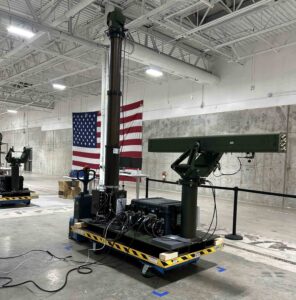
The intelligence service also reported the destruction of two 1L125 Niobiy-SV radar stations—mobile, long-range surveillance radars that are considered costly and relatively limited in number. These systems provide early detection of aerial threats and feed targeting data to missile batteries. Their loss would likely degrade Russian situational awareness over the occupied region.
Impact on the Air War in Eastern Ukraine
Targeting radar and missile systems has become a central element of Ukraine’s operational strategy. By forcing Russia to operate with degraded coverage, Ukraine aims to expand opportunities for manned aircraft, cruise missiles, and long-range drones to penetrate defended zones.
If confirmed, the latest strikes add to a steady tempo of Ukrainian attacks on Russian S-300, S-400, and supporting radar infrastructure across the front. Analysts note that while Russia continues to reposition and replace air-defence assets, cumulative losses have strained its ability to maintain a dense protective network over Donbas.
A Continuing Contest of Air-Defence Attrition
Air-defence systems remain among the most valuable and vulnerable assets for both sides. Radar stations—often the first link in detecting incoming threats—are frequent targets due to the operational advantage gained from blinding an opponent’s early-warning capabilities.
HUR did not provide details on the drone types involved or precise strike locations, and no independent battle-damage assessment has yet been issued.
Source: Defence Intelligence of Ukraine