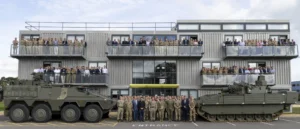
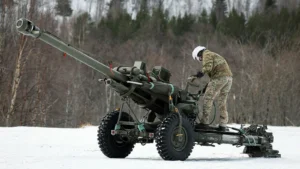
To the chagrin of many in the British Isles, the British Army is at its smallest since the Napoleonic Wars. Many bemoan the current forces stature, but is it such a travesty?
Yes, the British Army throughout the past few centuries has numbered, at times, in the hundreds of thousands, but strategic success has rarely been down solely to sheer numbers. Historically, it is arguably the cooperation between all the services, not least the British Army and Royal Navy, that have bestowed either deliverance or victory; rarely has victory solely belonged to the Army. Some are urging Westminster to re-establish what they would say is a long-forgotten role as a major global sea power via the Governments upcoming Strategic Defence Review.
To the dismay of many, an American official recently dubbed the British Army a second-rate fighting force. After years of struggles, critics argue the force earned this unwanted moniker thanks to a myriad of issues. Perhaps most significant among them were problems with equipment maintenance, and expensive investments in new fighting platforms such as Ajax, both of which continually devour a significant chunk of already-limited resources
Not only do new fighting vehicles eat into a significant part of its budget, but maintaining the existing 227-strong Challenger 2 tank fleet requires a significant investment from the Treasury. For decades, some believe decision-makers have allowed the army to live beyond its means to the detriment of other, arguably more cost-effective, investments. Yet despite these problems, some want yet more resources committed to the service. The question is, would following this path bring outsized influence or irrelevance?
Please note the following was written right before the release of the SDR. If you want to read more, please download the full report here.