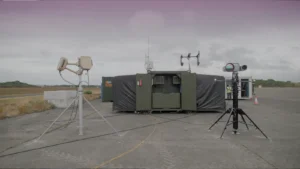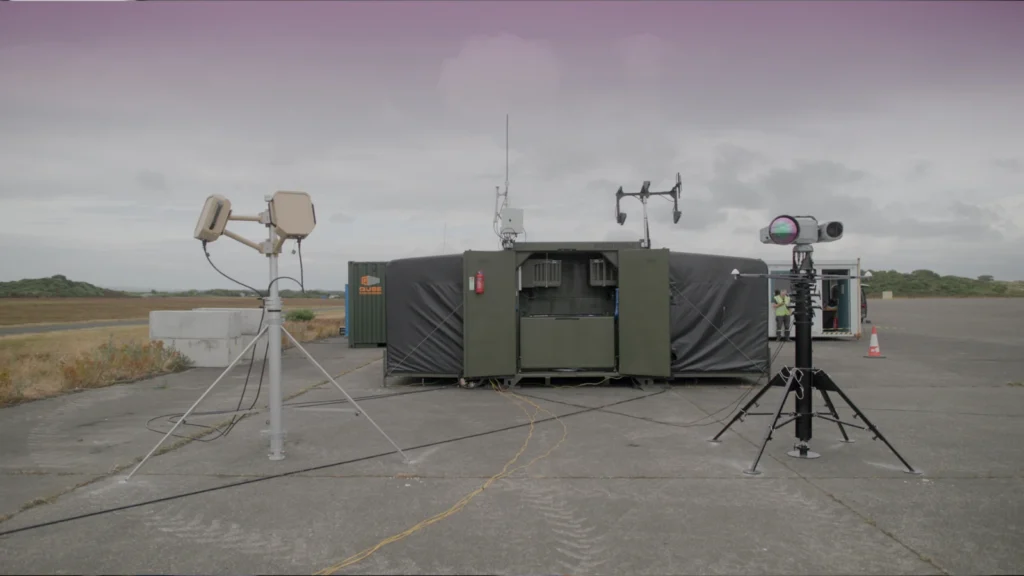
BAE Systems has completed live trials of its Anti Threat System (BATS) in Scotland, demonstrating the full “sense, decide, effect” mission chain against uncrewed aerial threats. The two-week trials ran the system through a single integrated command-and-control architecture, according to BAE Systems.
Why the trials matter
Uncrewed aerial systems have become cheaper, more capable and easier to obtain, as recent conflicts and security incidents have shown. Armed forces and critical national infrastructure operators now need to detect and defeat these threats at pace. Sensing alone does not meet that requirement. Operators must also decide quickly and deploy a response.
Governments are increasing spending on drone defence after lessons from Ukraine and the Middle East.
How BATS works
BATS is a software-defined counter-uncrewed systems capability. It combines sensing, intelligence fusion, command and control, decision support and countermeasures in one modular architecture. The system works with existing and future sensors and effectors from BAE Systems and third parties. This allows a scalable, layered defence while keeping meaningful human oversight in place.
Three trial scenarios
The trials tested BATS in three scenarios:
- Detection and situational awareness: BATS fused data from multiple sensors into a common operational picture. Operators detected, identified and tracked aerial objects, and separated threats from harmless activity.
- Non-kinetic response: Electronic warfare and software-defined radio technologies were integrated into the system. Operators deployed effects against confirmed targets in near real time.
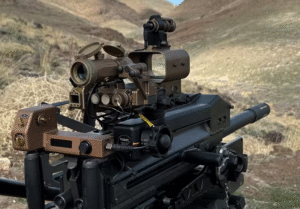
- Full end-to-end chain: In a more complex tactical scenario, operators confirmed different categories of drone and applied an appropriate effect to each. The trial also featured an integrated gun system.
Reducing operator workload
Louise Heywood, Head of Strategy at BAE Systems Digital Intelligence & Land, said the trials showed BATS can combine sensing, decision-making and response in one system. Operators can identify and defeat threats faster and with greater confidence. She said the design reduces the cognitive burden on individual operators by using one system to identify, confirm and target drones.
Heywood added that the team also explored future networked operations. BATS could share threat information securely across multiple locations, building a broader picture of the airspace and improving coordination between distributed sites.
Learn more on BAE Systems’ website